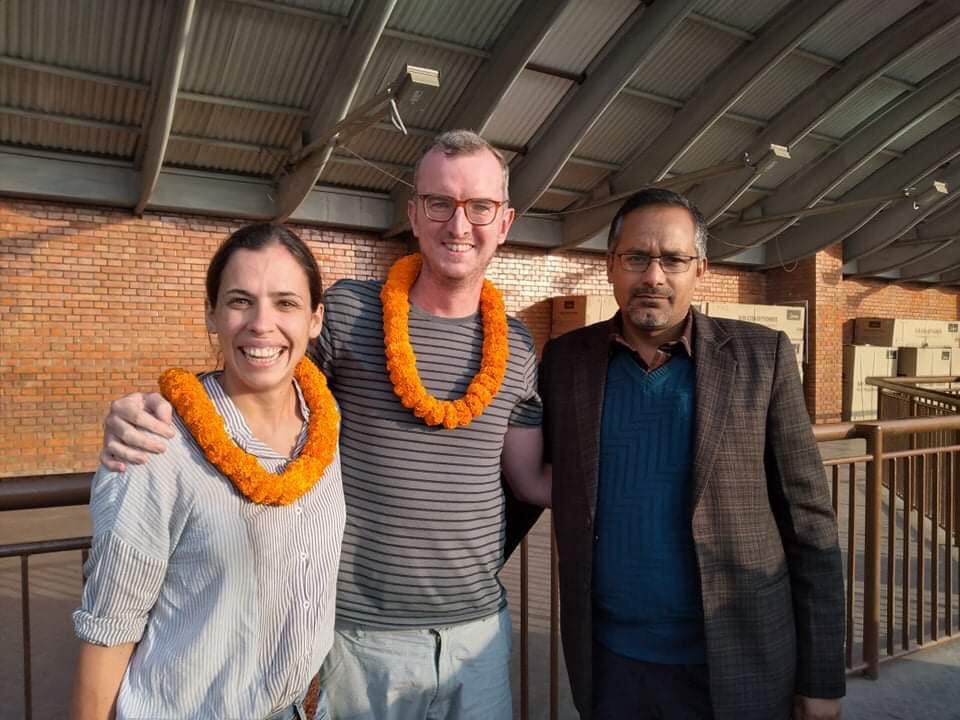
On approach into Tribhuvan International Airport – Kathmandu, we saw glimpses of jagged, snow-capped mountains heightening our sense of excitement for the coming weeks. After a fairly laborious process involving apps, QR codes and various check-in agents, we finally became the proud owners of Nepal Tourist visas. Soon after, we were greeted warmly by Gyan and Bhuwan from Adventure Treks Nepal with a traditional Hindu mala and a summary on our planned trekking route to Annapurna Base Camp (ABC), sitting at 4,130m around the majestic peaks of Annapurna I (8091m), Annapurna South (7219m), Machapuchhre (6993 m) and Hiunchuli (6441 m).
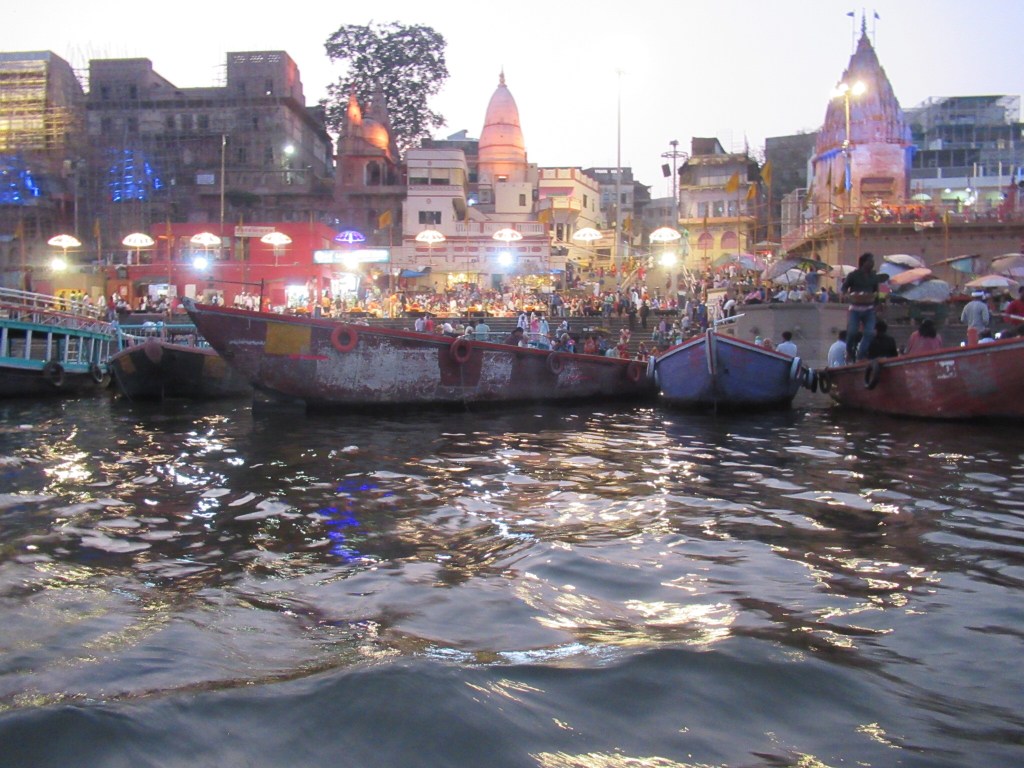
We had been warned about the traffic choked streets of Kathmandu, its incessant beeping and chaos. Compared however to Varanasi, it was positively serene. We spent our first evening exploring the relatively quiet streets of Thamel – marked by its iconic prayer flags – eating carbohydrates and drinking red wine for an irrational fear we wouldn’t find any in the mountains. This was Nepal’s high season, but from the empty seats in restaurants, it was clear that COVID-19 was starting to have an impact. Minutes before we fell to sleep on our first night in Nepal, Kelsey looked at her phone to find that there were reports of mice in our London flat from our Lettings Manager. We came back to earth with a bang. Kelsey, in particular, doesn’t think mice are very nice (a little understated) and so we planned an international mice evacuation crusade from our Kathmandu HQ.
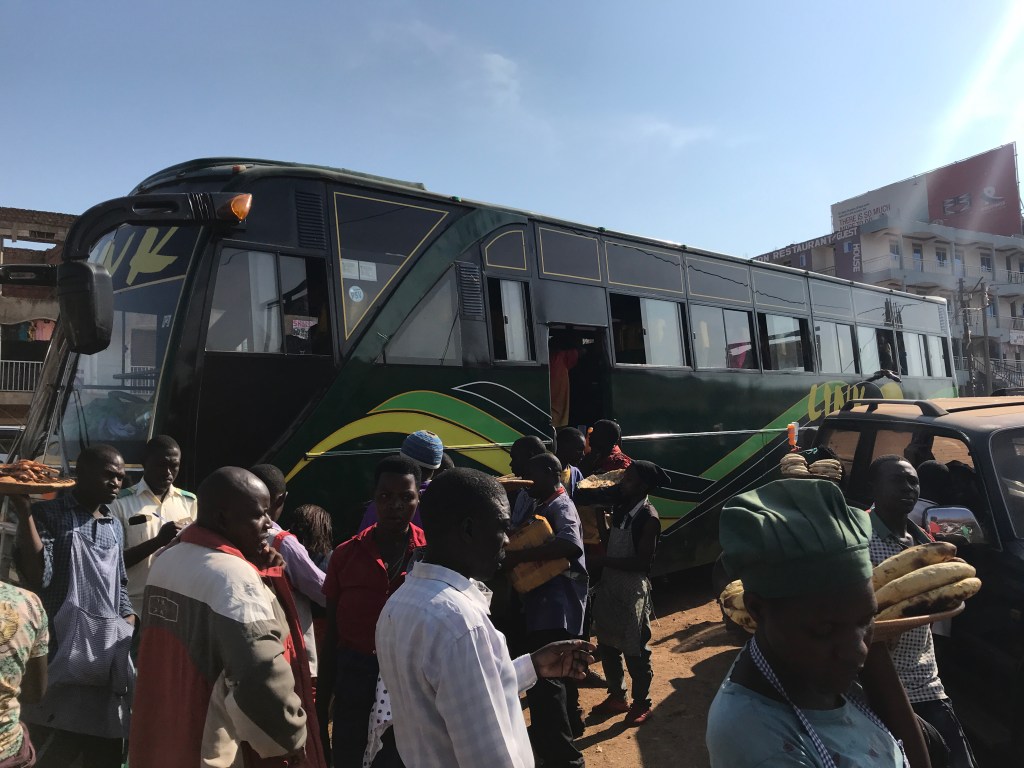
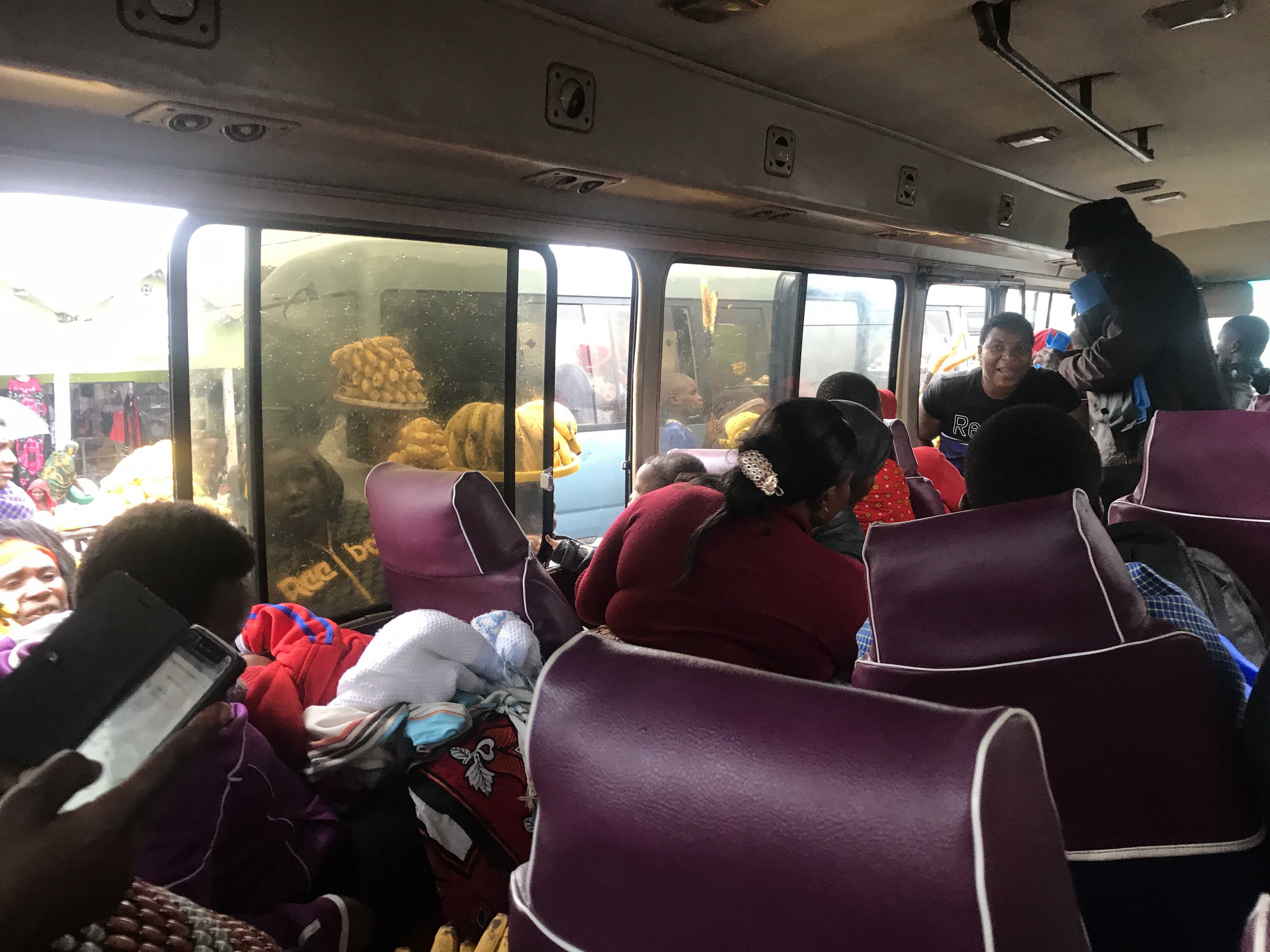
The following morning, as our eyes were barely open at 6am, we met our trekking guide Sangam, cheerily greeting us over breakfast at Hotel Manang. Sangam talked us through our plan for the day, a seven hour bus trip to Pokhara – a city on Phewa Lake in central Nepal and gateway to the Annapurna region. We realised that this was the first time in five months that we had put our plans in the hands of another person. At first, this felt a little strange after the control we had on all other aspects of our trip, but we soon settled into a rhythm. As we left for the bus stand, on a street corner in Kathmandu, we met our porter, Purna. Purna took his portering duties so seriously that he immediately offered to take our bags and load them into one of the many coaches lined up. Although we had built up our bus travel competencies, it was clear that navigating which bus to take, without signs, would have taken us at least half an hour on our own. It took Sangam and Purna seconds. Little did we know that over the course of a month, their safe hands would become an invaluable asset to us. After a series of windy, up-and-down roads and further discussions about our mice crusade, we made it to Pokhara late in the afternoon. Sangam helped us navigate the array of good-quality-fake mountain gear shops on the high street, giving us his important seal of approval on everything we bought. Without Sangam and Purna at our side, we would have fell into a decision making abyss, a theme which continued as the days and weeks went on.
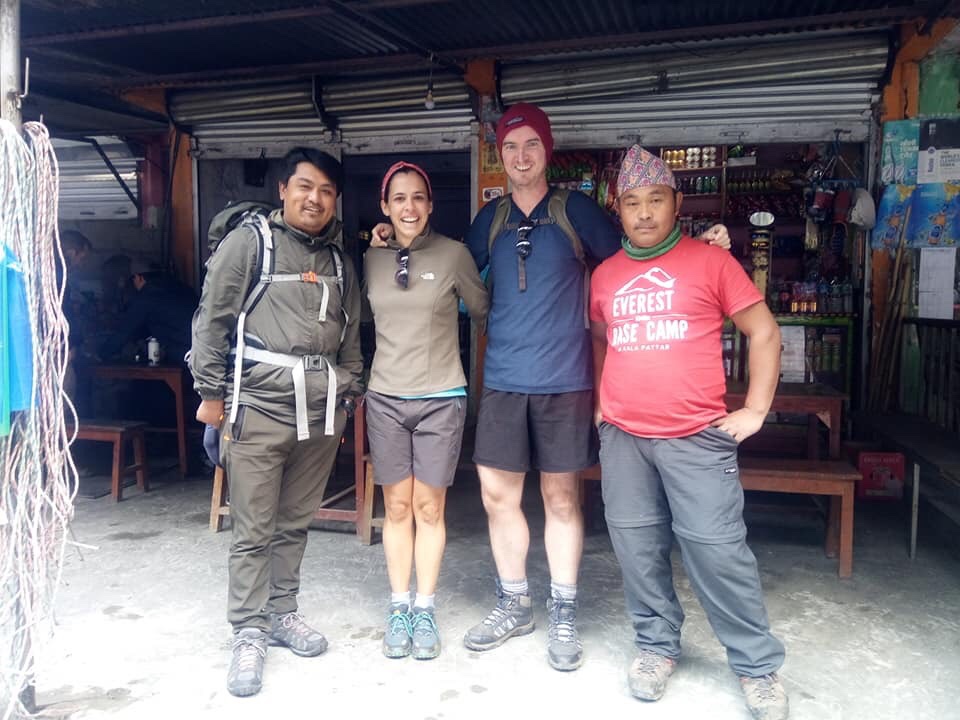
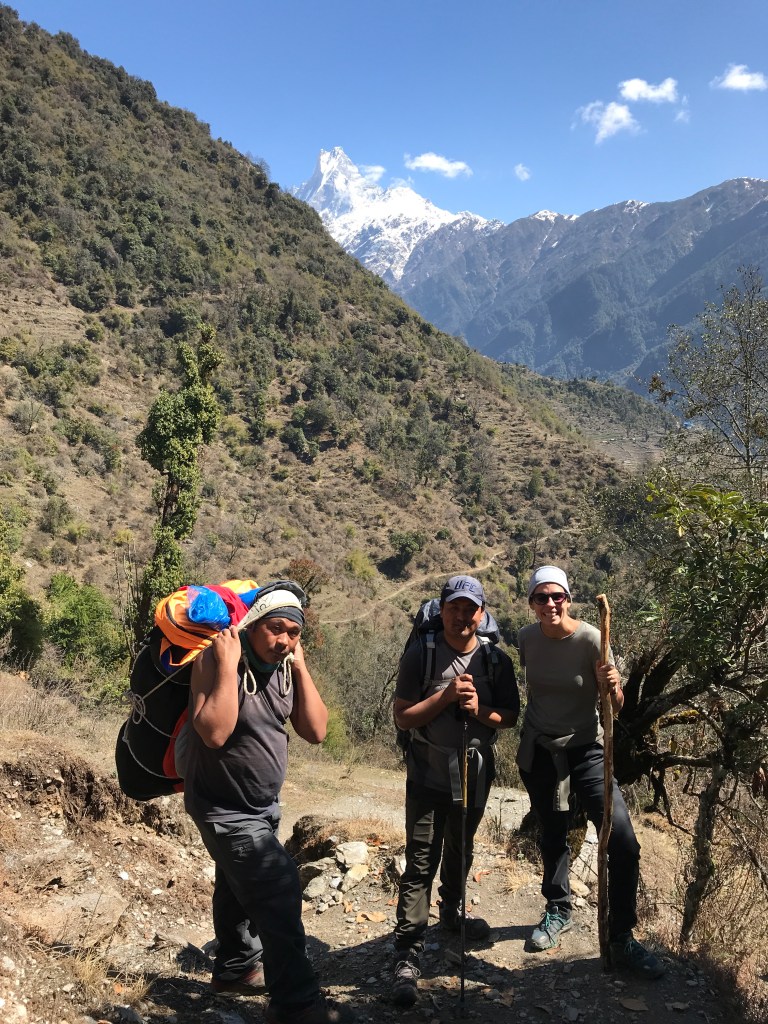
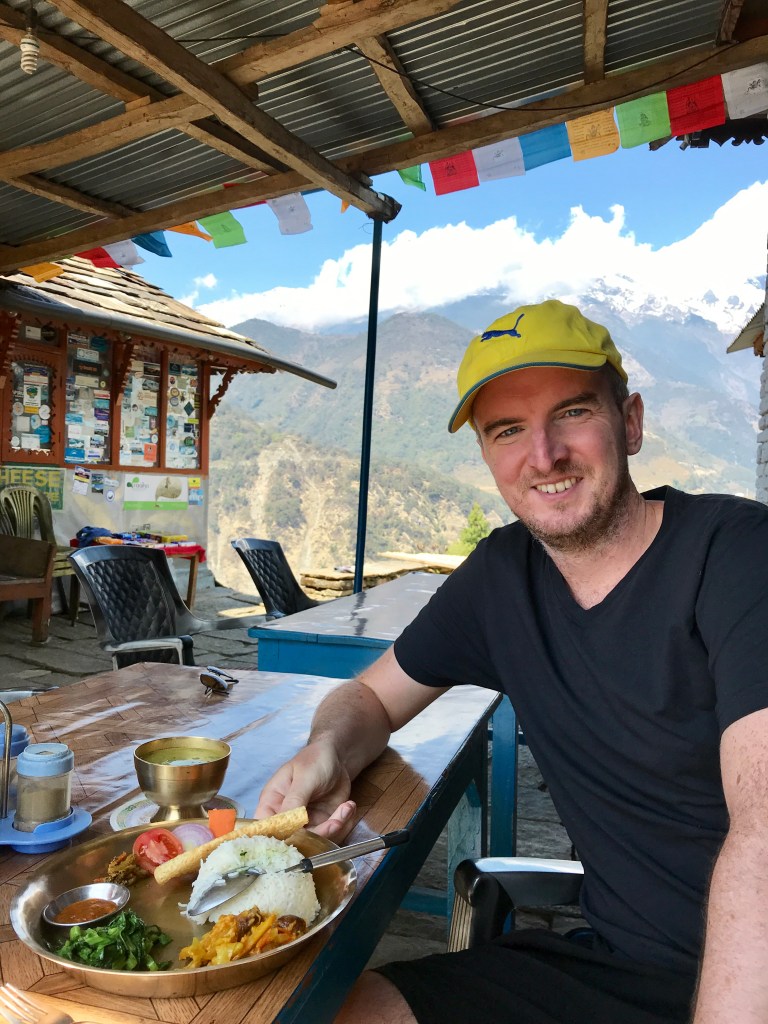
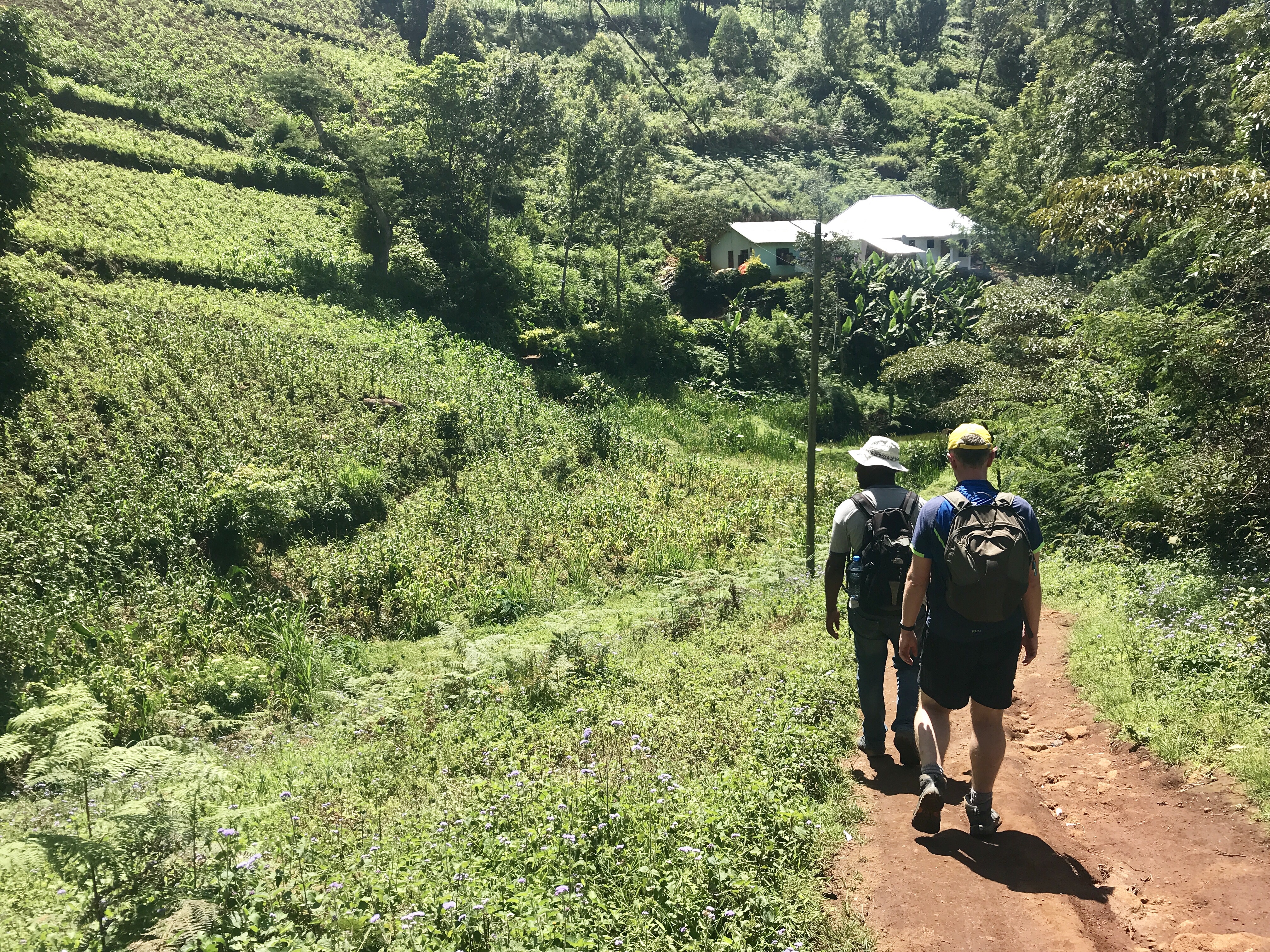
The following morning, with time for a quick picture at the start of the trail head, we set off on the first step – of many – into the Himalayan hills. As we started our ascent, the pine fresh air, chilly but energising, filled our lungs. We marvelled at how Purna was able to keep good pace with the 20kgs of our belongings effectively strapped to his forehead and balanced on his back. As the sun rising over the mountains caught up with us, it was time for our first trekking lunch. When we asked Sangam what we should have – our trust in Sangam now extended to meal selection too – without hesitation, he proclaimed, ‘Dal Bhat.’ Our trust was well rewarded, as we were presented with a huge plate of rice, dal, vegetable curry, poppadum and pickles. The real treat with Dal Bhat was that it was always served as an unlimited portion and it became our staple meal. As Sangam told us, we had ‘Dal Bhat Power, 24 hour.’
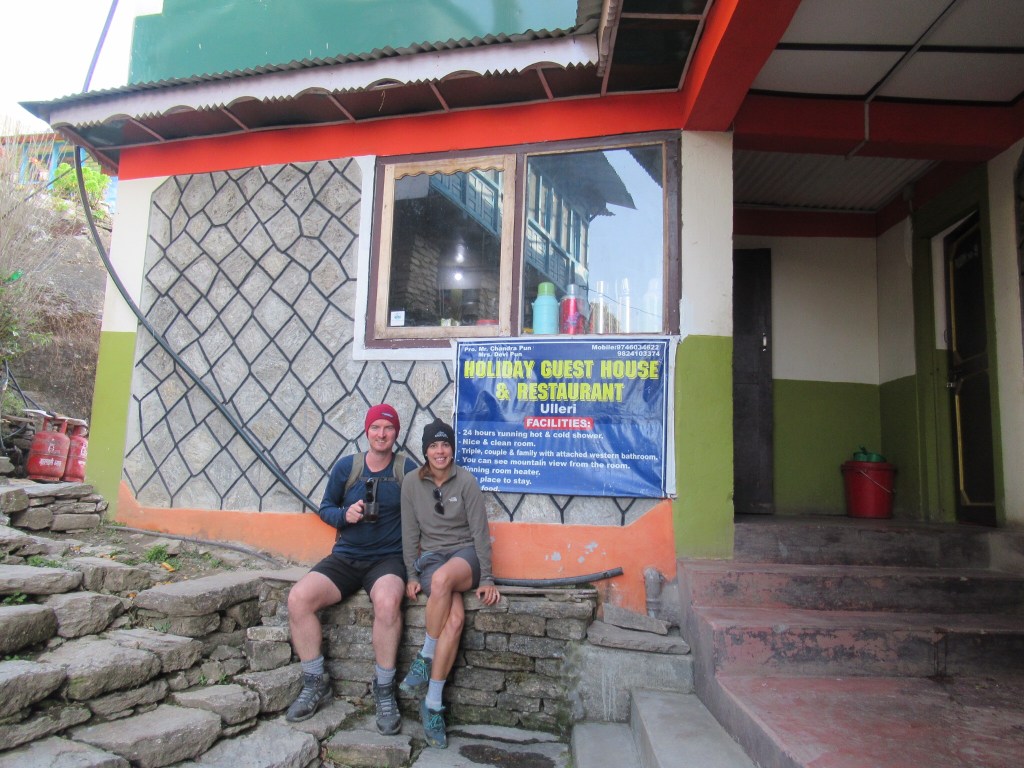
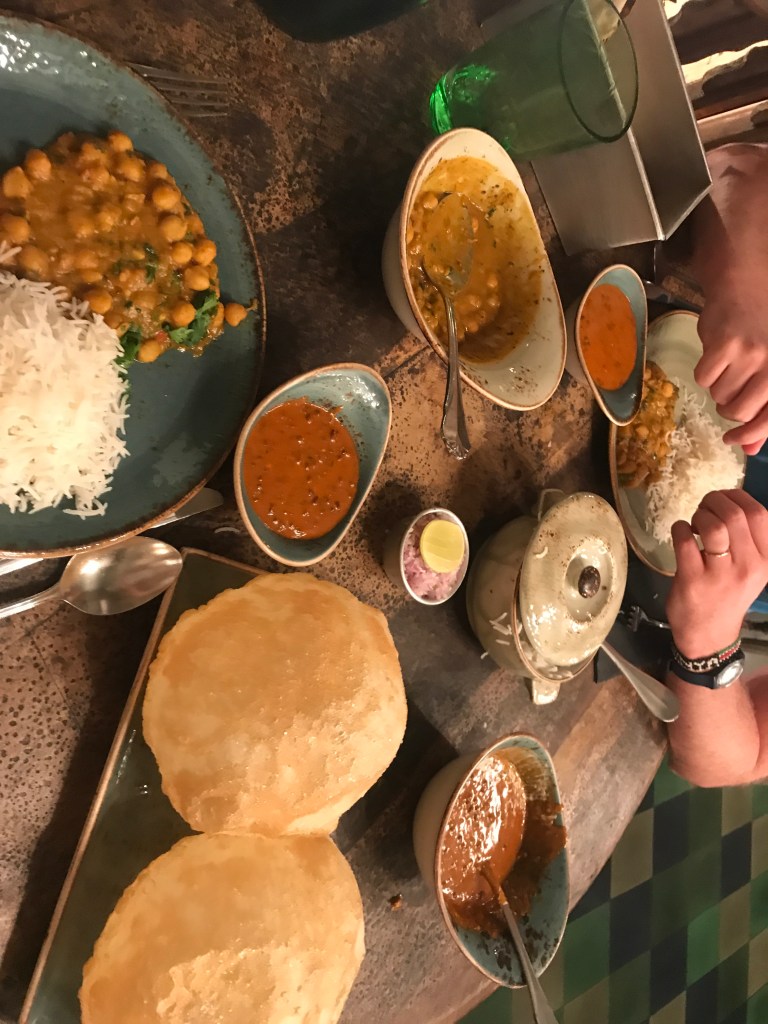
After around 4000 steps and 1km in altitude, we arrived at our first stop – Ulleri. This much needed rest by the camp fire allowed us to read, chat with Sangam and Purna over copious amounts of tea and fill up on some more rice based curries. After the intensity of India, the feeling of being in the mountains with only the sounds of fierce Himalayan winds and the bells of travelling mules was heavenly. At breakfast the following morning, we were introduced to a new bread – Gurung (or Tibetan). As bread lovers, this was a real thrill. Kelsey in particular was instantly addicted to the great golden puffs of fried dough, drizzled in honey. Like Dal Bhat, Kelsey’s ‘creature of habit’ breakfast order became a running joke of our trip.
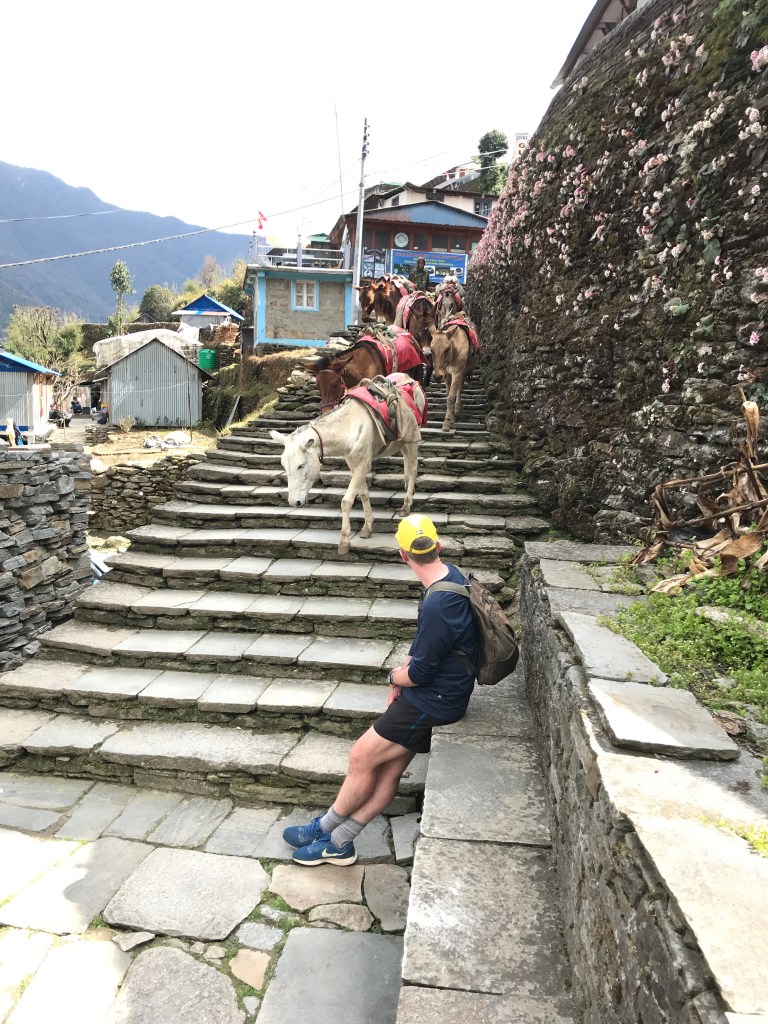
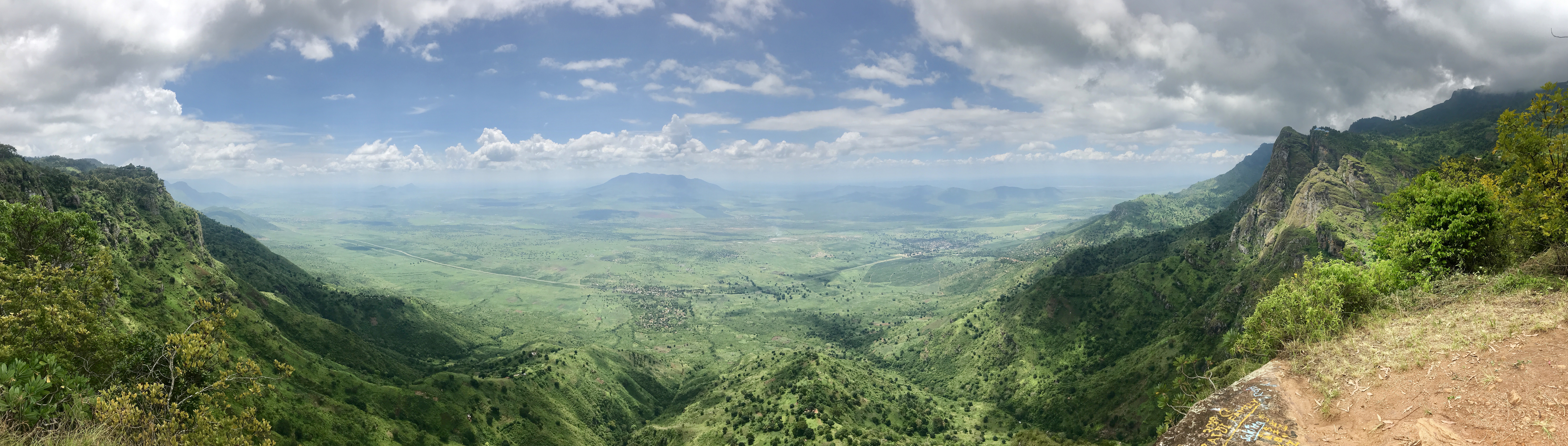
Day two brought us through stunning mossy forest, along various waterways and streams; we stopped in villages for tea and more Dal Bhat, marked by the lines of colourful prayer flags and smoke from indoor fires. There were so many moments we had to pause – not only to catch breath from the ascent – but simply to take in the landscape we found ourselves in. As we arrived in Ghorepani (2800m) snow clouds began to flow in and cover the mountains, a glorious setting for an evening by the fire. As we drank wine, our plot to reign victorious over mouse-gate was suddenly abated when Kelsey opened her emails to find ‘FALSE ALARM’ emboldened in capitals on the subject line of an email from our Lettings Agent. Our agent had mixed up her obviously many ‘number 14a’ properties and we didn’t have a mouse problem at all. We toasted our lack of mice with another glass.
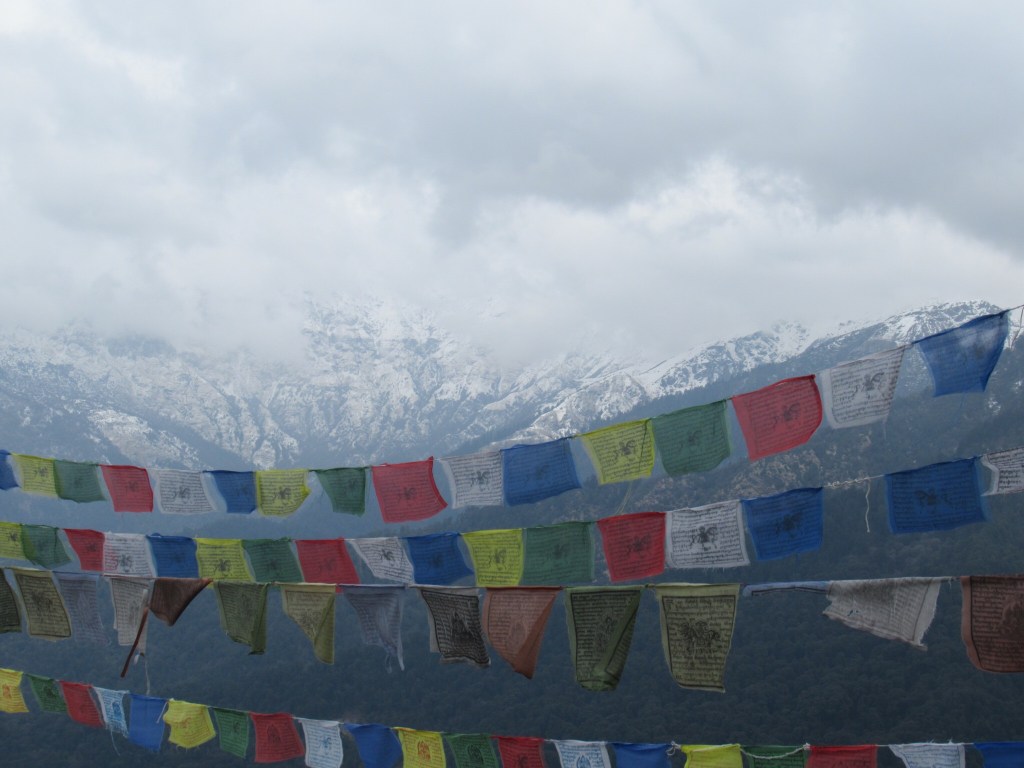
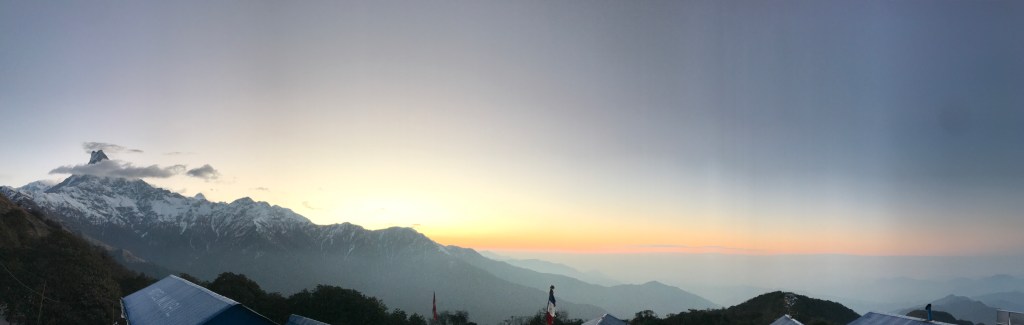
The following morning, as we trotted to breakfast in knee deep snow, it became crystal clear why avalanche warnings were being issued on our planned ascent route to ABC. Sangam began talking us through the other options in his repertoire of routes and years of experience around Annapurna. We picked our way down the mountain, fresh snow covering the path. Sangam and Puna knew every twist and turn we needed to take to blaze our own path and set the first footprints in the powder, passing horses with icicles on their tails. After sliding (a little) and a few snowball fights, we finished our day in Chuile. We’d descended low enough to emerge from the snow drifts and Sangam’s tea house choice, Mountain Discovery, became a favourite of our trek for its idyllic green pasture views overlooking Fish Tail and Annapurna III. To our surprise, we had the run of the place, making the most of warm showers, a blasting fire and peace to read a good book.
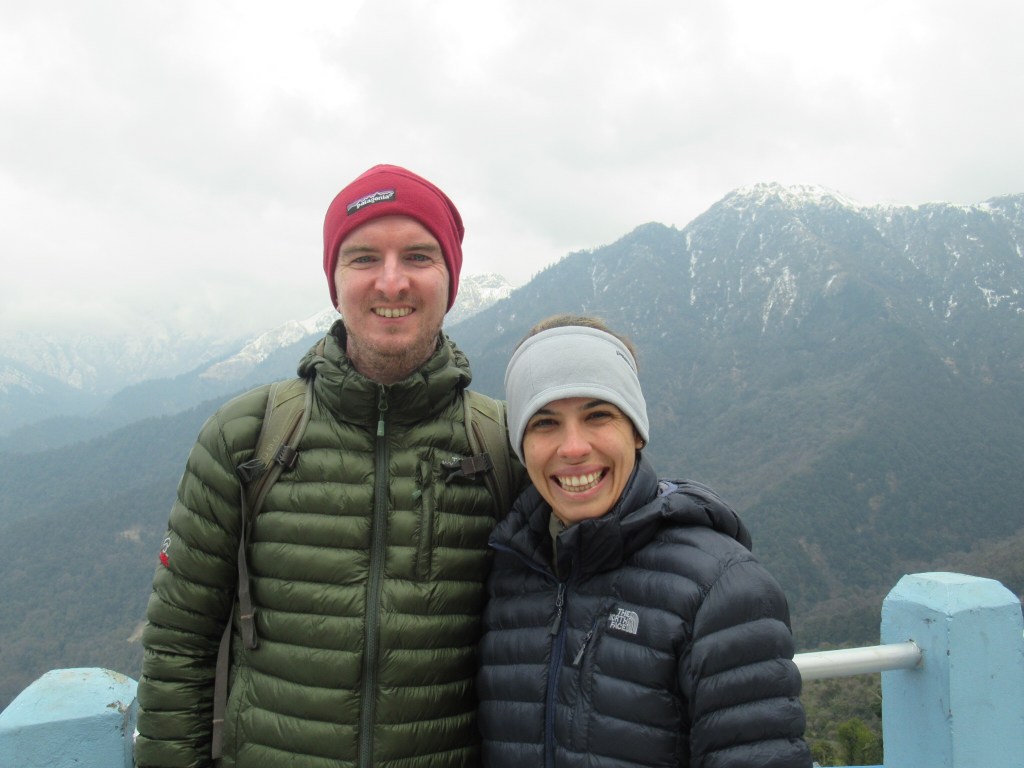
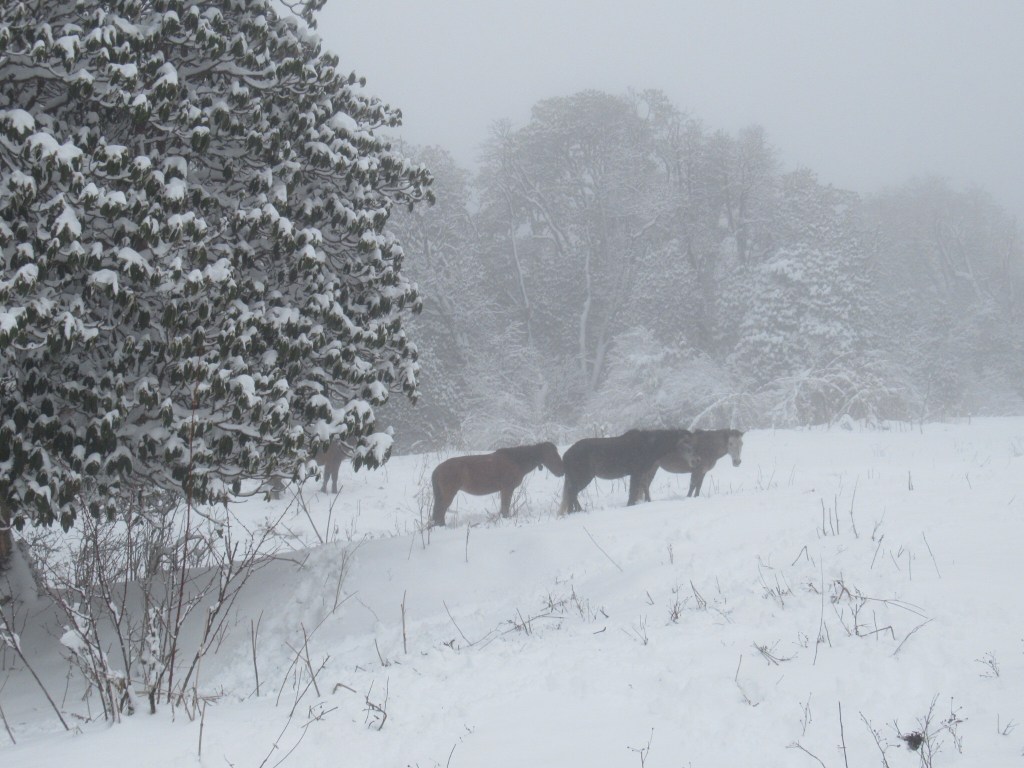
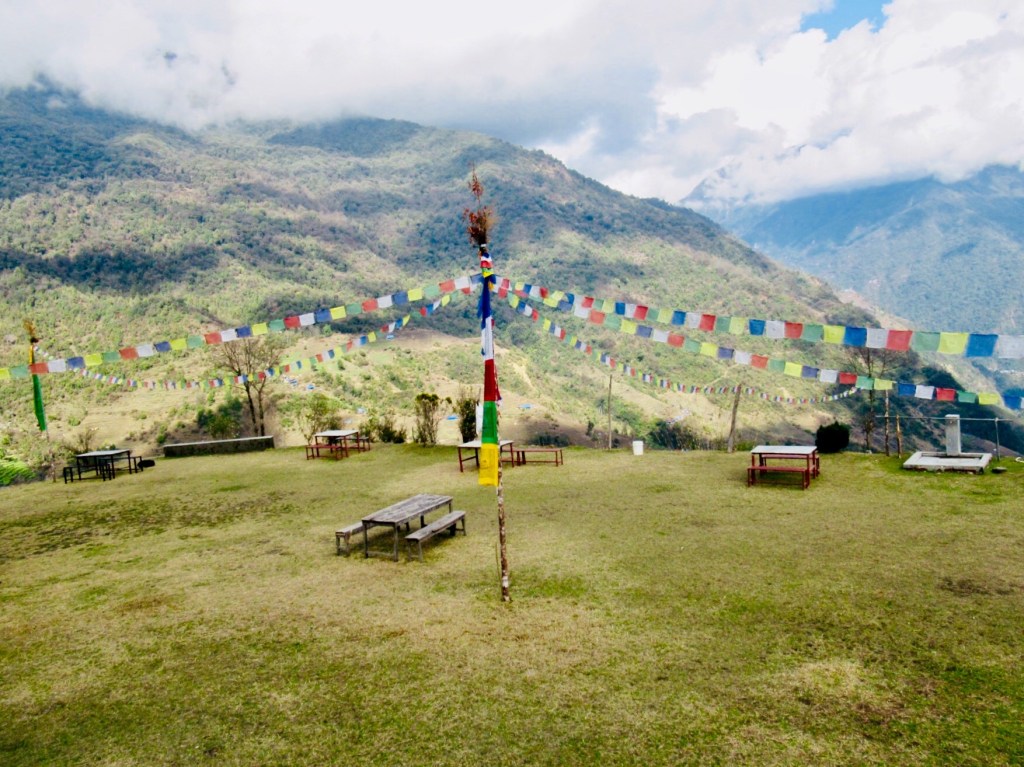
By day four, we had fallen into a rhythm: An early wake up, followed by Purna packing our bags, a breakfast always including Tibetan bread, a trek broken up by a Dal Bhat lunch before some stretching or yoga and then relaxing into an evening in front of the camp fire. This was our new normal. With Sangam’s advice, we decided to re-route our trip to take on Mardi Himal instead of ABC. Mardi Himal, in Sangam’s view, was one of the jewels of the Annapurna region, with sweeping views of the towering Annapurna mountains. He wasn’t wrong. We enjoyed meeting the mules, yak-cows (a hybrid yak and cow which had a Nepali name we can’t remember) and horses. Sangam would politely correct us when we mistook a mule for a horse or a yak-cow for a mule; we learnt that differentiation between the Nepali animals wasn’t our forte.
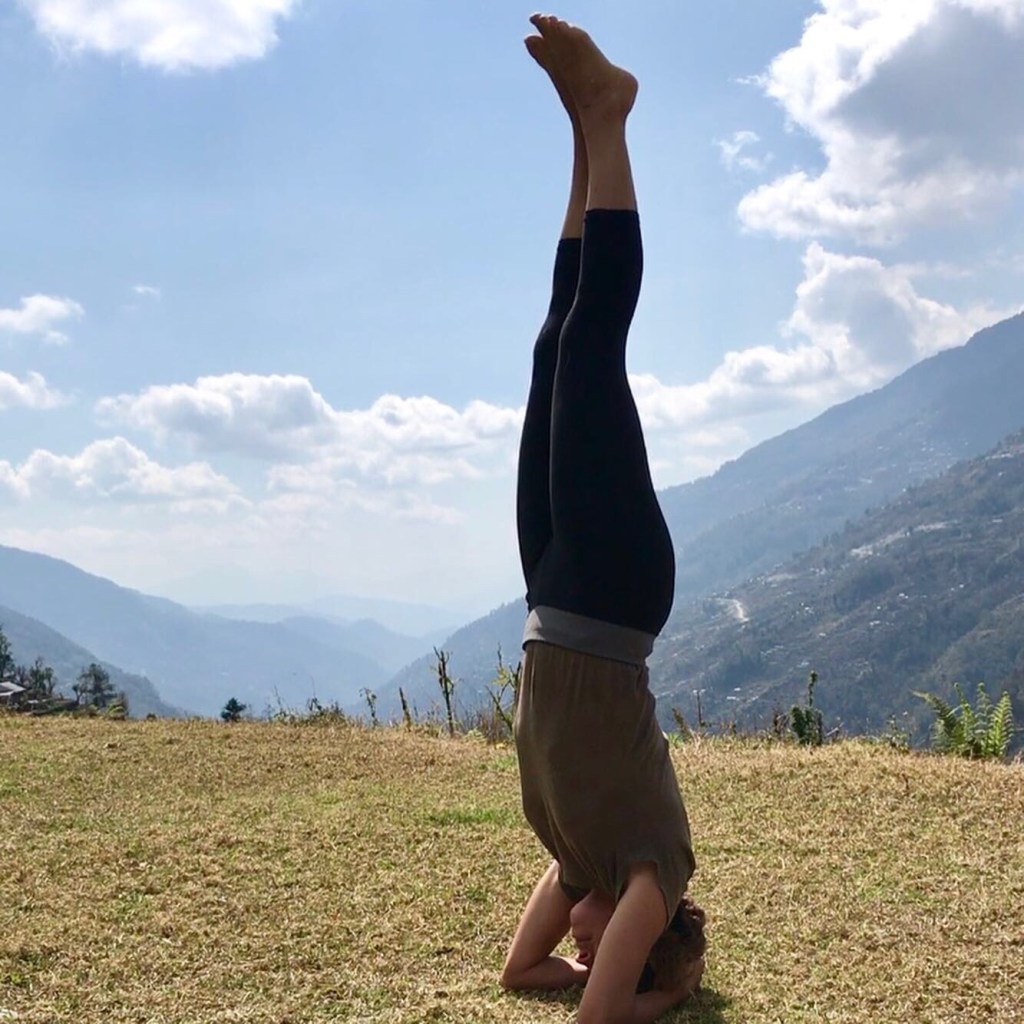
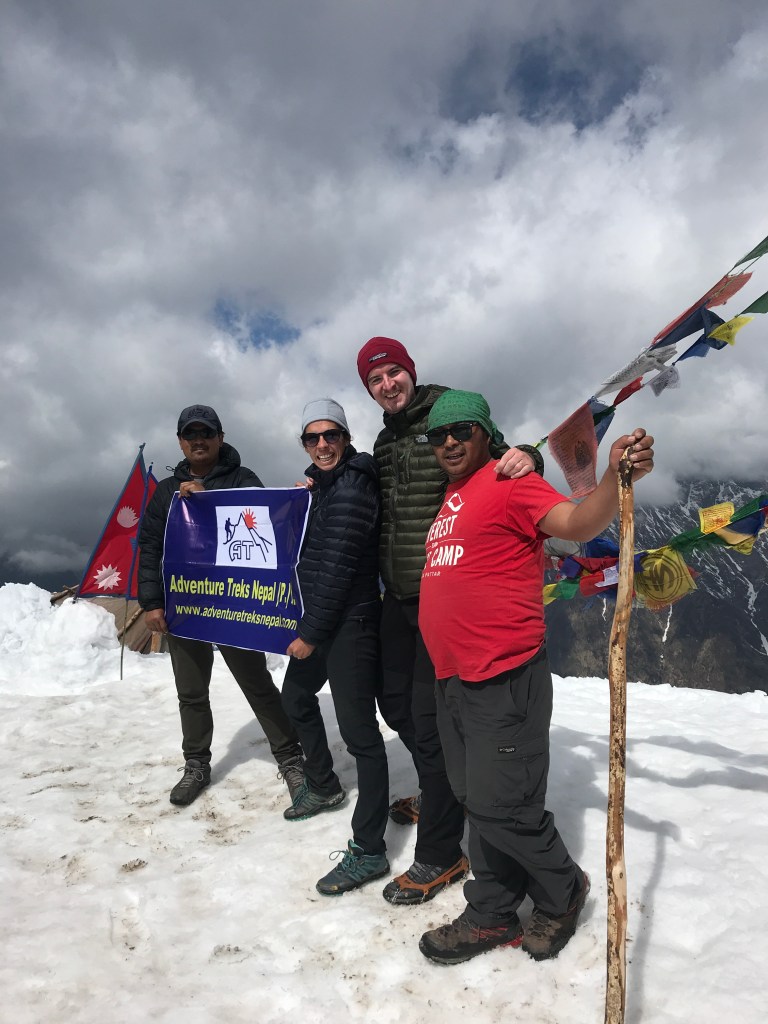
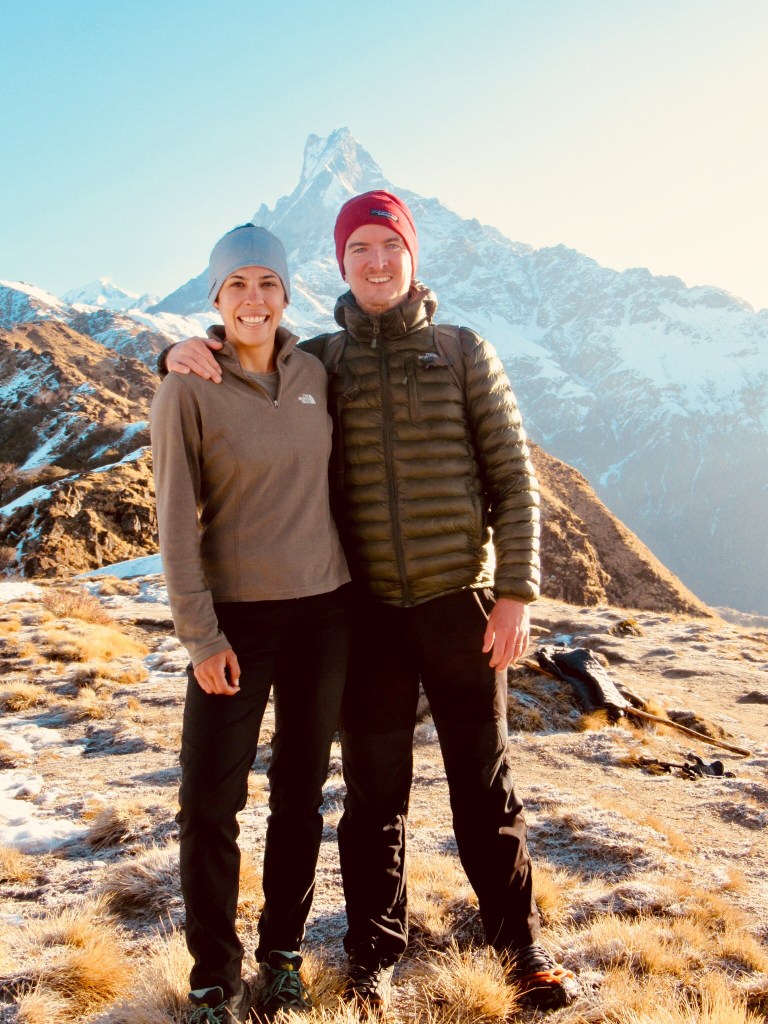
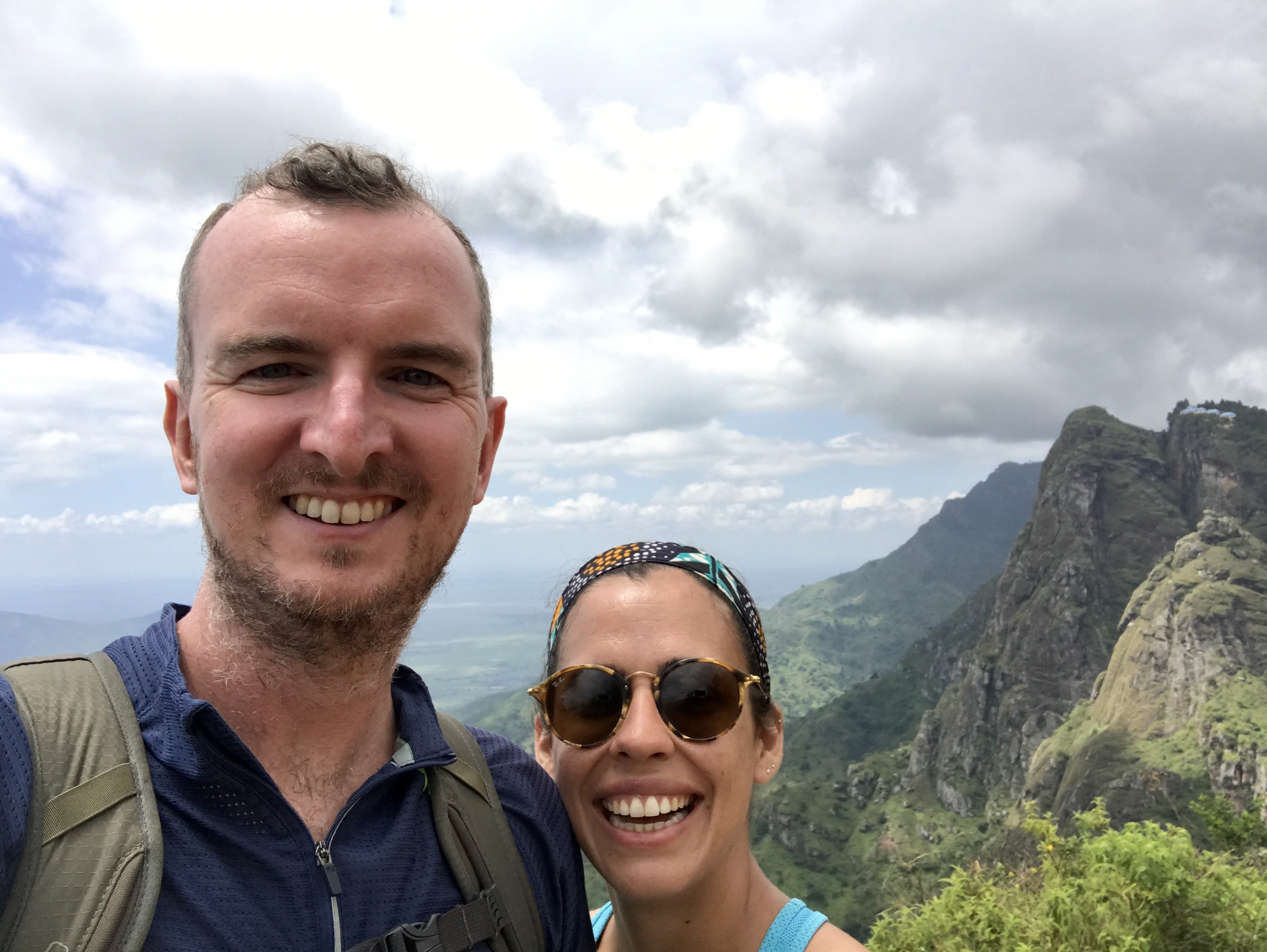
We reached the summit of Mardi Himal on a striking day, just before the clouds set in. The view that awaited us was breathtaking; a panorama of Fishtail and Annapurna 1-3 soaring into the thin air. We revelled in the beauty and in the achievement of reaching 4,300m, taking plenty of photographs with the Nepali flags that marked the top. We celebrated with some spicy tea at the summit before descending the icy slopes, relying more than ever on Sangam and Purna’s nimble movements to keep us upright.
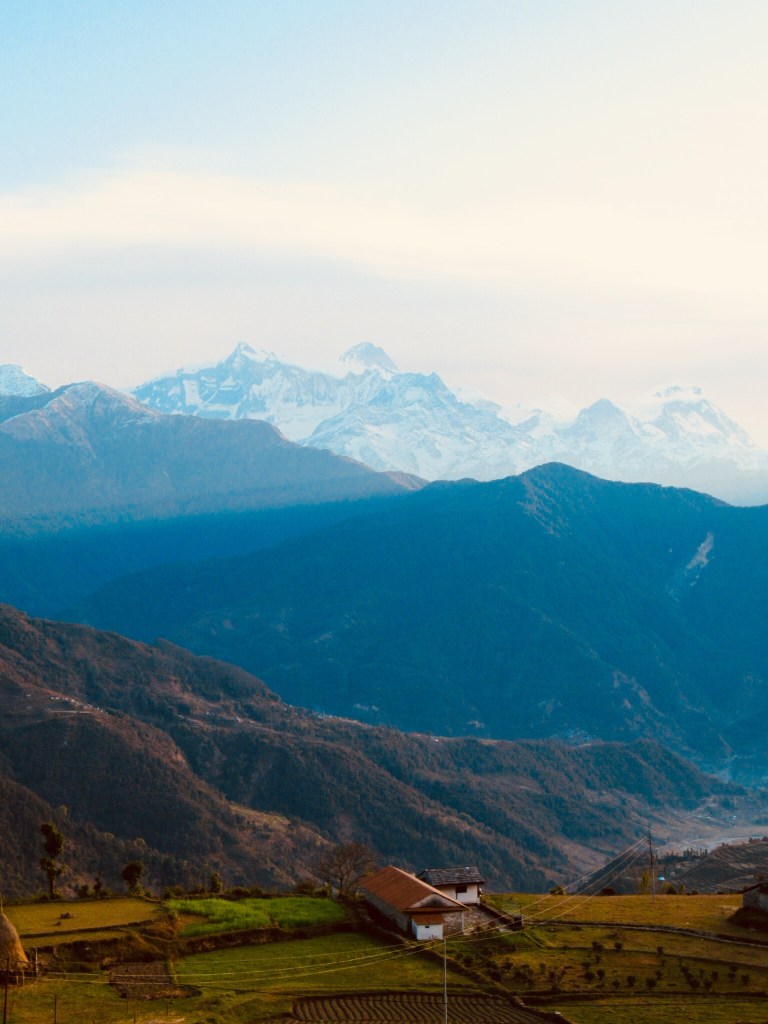
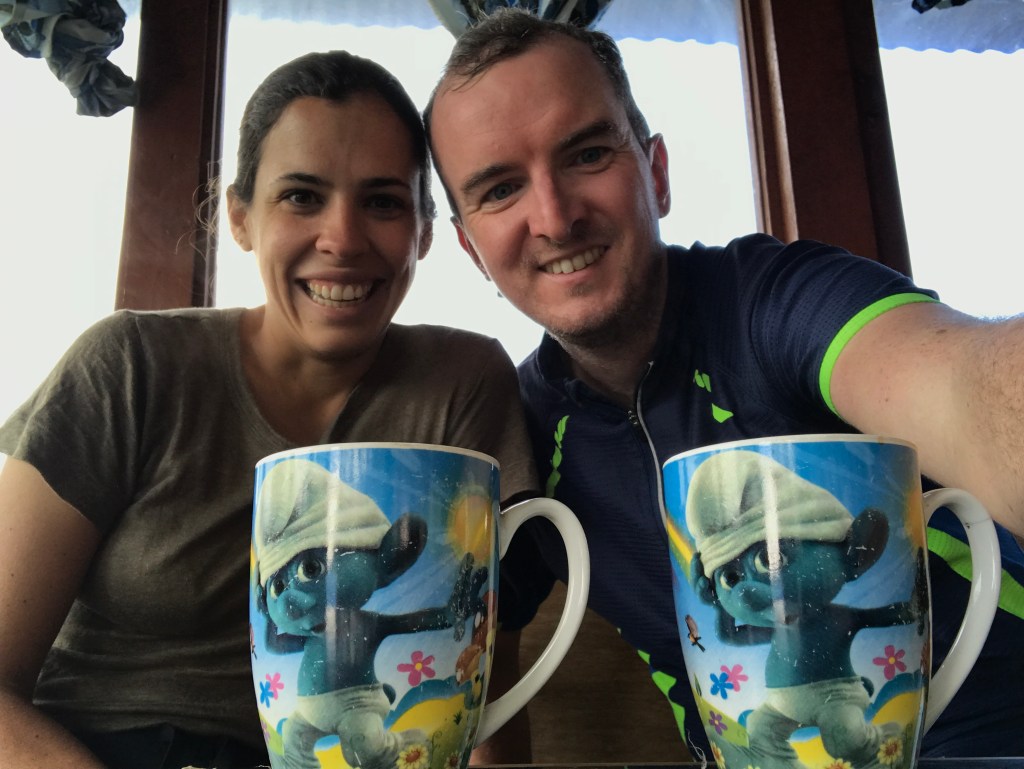
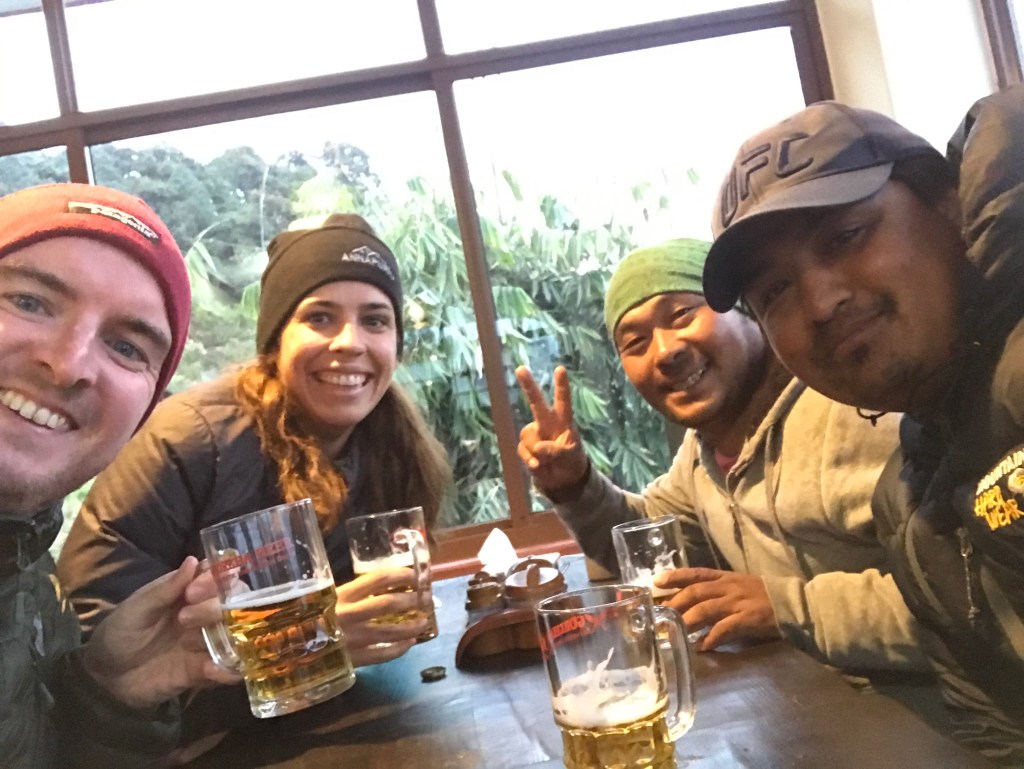
As we descended, Rhododendron Blossom, which had not been there a mere 48 hours before, covered the mountainside. We had been truly away from it all, with books and only our trekking team for company. When we connected our phones to WiFi, WhatsApp pings indicated global disorder. ‘India is shut, what are you going to do?’… ‘Are you going to come home?’… ‘Kyrgyzstan has it’s first case of Corona’… ‘Trump cancels all flights from Europe to the US.’ The world had closed inwards, with countries we were planning to visit understandably closing their borders. It now seemed unlikely that we would make it to Uzbekistan and Kyrgyzstan post-Nepal to meet our friends Tom and Pete. The Foreign Office website became a new bookmark in our search history as we tried to get a sense of what this meant for our trip. After an afternoon walk in the forest, we thought about the option of staying in Nepal for longer. Looking at the beauty that enveloped us, we decided that wasn’t the worst idea. With our brains buzzing about what to do, we made it to our final destination, Dhampus, celebrating our successful summit and descent with beers and chilli chicken, reflecting on one of the best weeks of our lives.
By the time we reached civilisation it was clear that we needed to do some serious re-routing. On our return to Kathmandu, via Pokhara, we had developed Plans A, B, C and D. We settled on Plan E, undertaking a second trek in Nepal to the Langtang Valley and then returning home to the UK a little earlier. Little did we know how long we would eventually stay in Nepal.
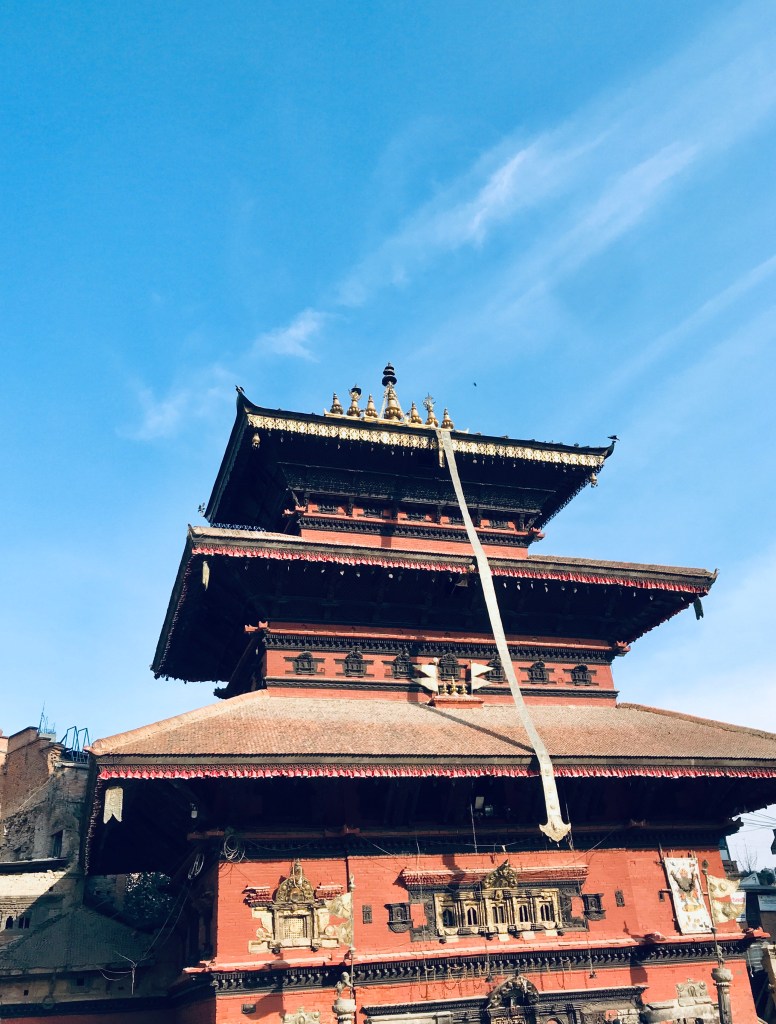
To give our feet a little rest before Trek 2, we spent some time in Bhaktapur, eight miles from Kathmandu and home to fascinating ancient architecture, impressive local craftsmanship through its pottery industry and unique Newari cuisine. By this point, Nepal had understandably closed its own borders to new arrivals and new trekking permits. With all of these changes, as we wandered around Bhaktapur, whenever we came across another tourist, there was an unsaid look of ‘Why are you still here…what’s your story?’ Seeing everything empty around Bhakatapur’s ornate squares felt tragic for the people we were meeting, particularly for a country relying so heavily on tourism. We tried our best to visit as many cafes as we could for coffees, sampled some cuisine and took a pottery class with an eccentric potter in Pottery Square. Unsurprisingly, we had a long way to go to join the Bhaktapur potting masters and bought some from the experts instead.
As we set off for Langtang Valley, our journey felt familiar, starting with a local bus, accompanied by Sangam and Purna. We had felt a little lost without them on our vacation to Bhaktapur. As we stuttered to a start, it wasn’t long before there was a problem with the front wheel of the coach. We pulled over, a group of Nepali men from the coach surrounded the wheel with querying looks and heads shaking. Deciding we didn’t have anything meaningful to contribute in solving the wheel problem, we retreated to a dusty, roadside service station for a tea and wandered to the shop to buy some Pringles. Before we were given the Pringles, a groggy, shirtless shopkeeper asked bluntly, ‘Do you have Corona?’ We assured him we did not, and the Pringles were handed over, which kept Kelsey in particular very happy.
With our wheel changed, we climbed up windy roads with our coach driver, at times, skilfully undertaking five point turns. This was our most jagged mountain climb. After a mere ten hours, including the broken down coach, a Dal Bhat lunch stop and numerous checkpoints, we stepped off our coach in Syabrubesi. A little jaded, we took a late afternoon walk to get a feeling for the town, trading looks and smiles with the small number of other tourists who seemingly had a similar plan to us.
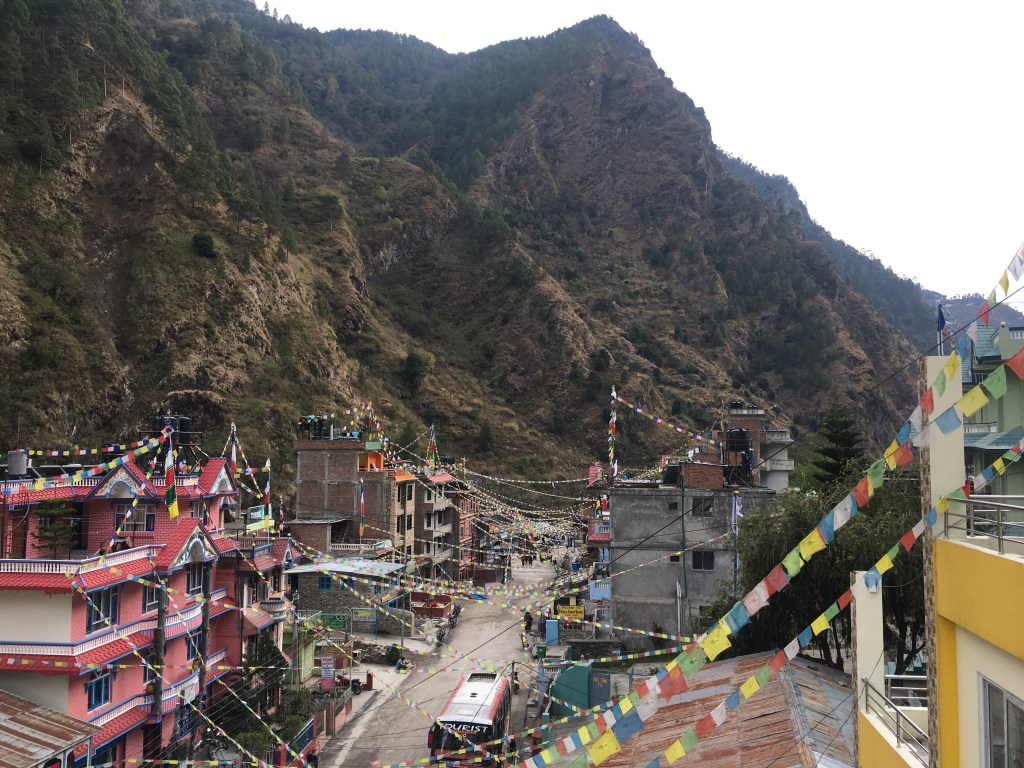
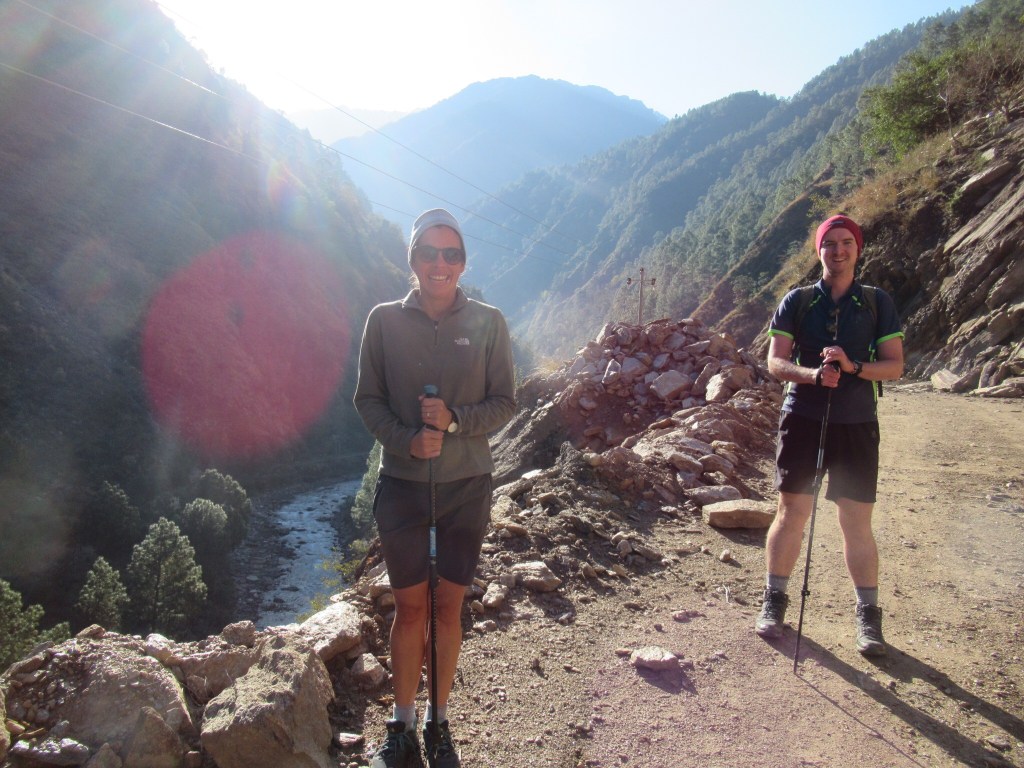
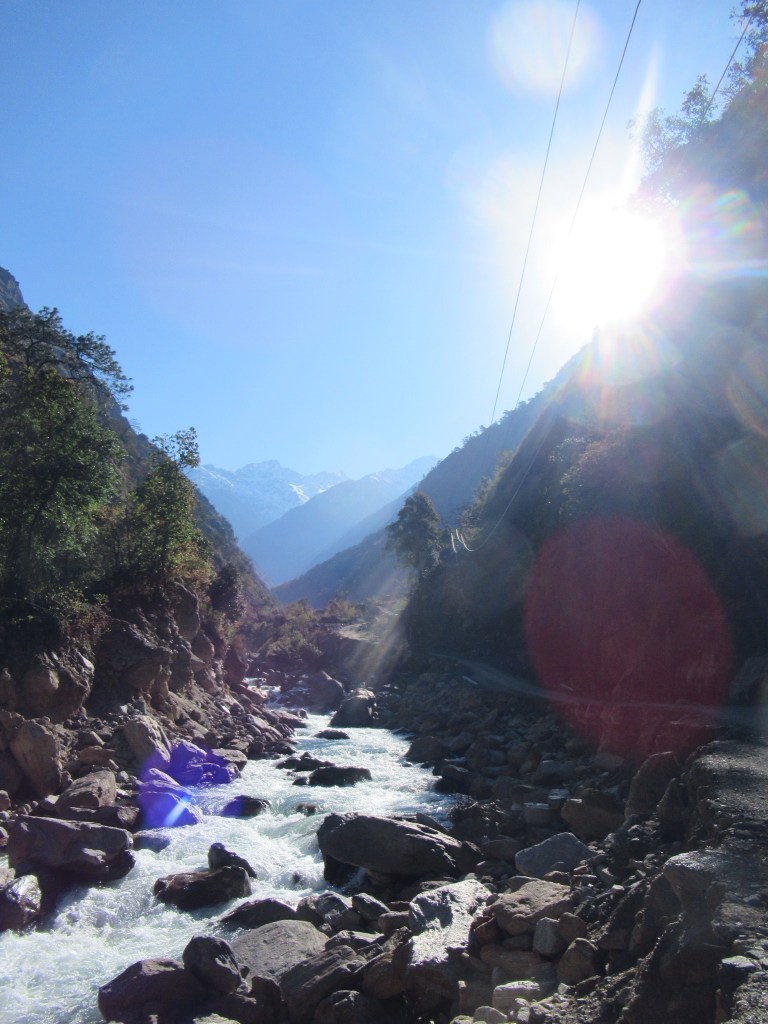
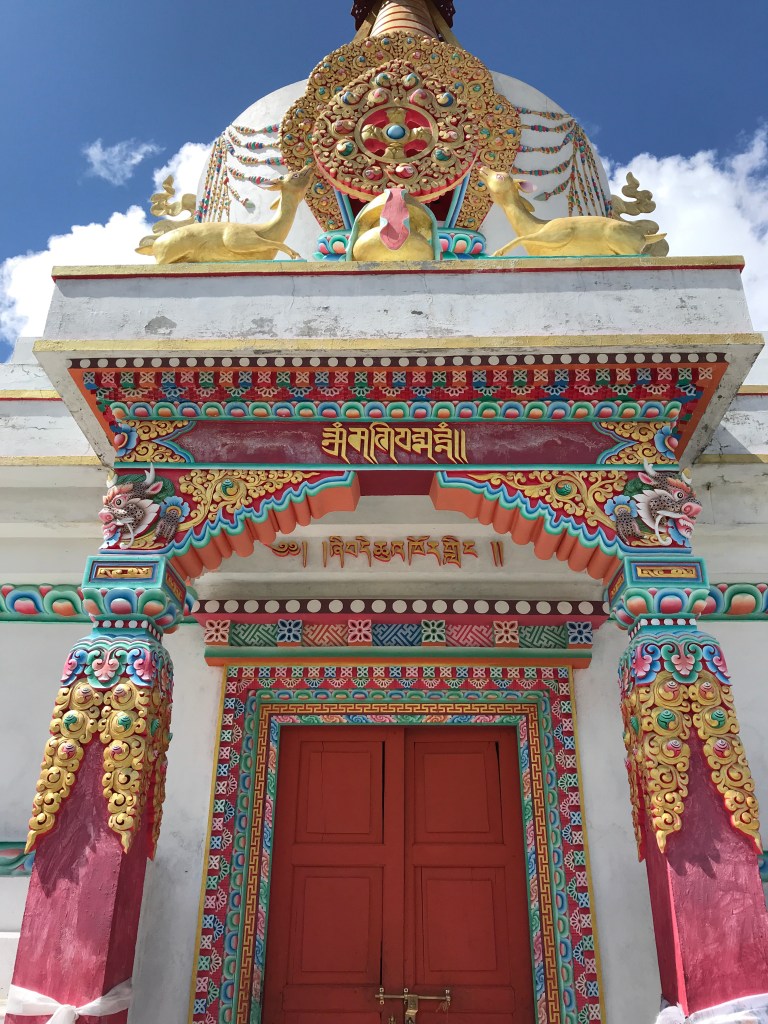
We eased back into our routine with Sangam and Purna, trekking towards the valley in Langtang through cool, damp forests along the riverside. For most of day one, we had some new company, two stray dogs from Syabrubesi who followed us up the mountain. ‘Social distancing’ was a new but emerging concept in Nepal, but even the dogs seemed to be taking the advice seriously. Passing Buddhist stupas (monuments), naturally forming hot springs and teahouses nestled into the valley, we felt privileged that we were in the place we were in. We had the trekking route largely to ourselves, apart from the steady flurry of villagers returning from Kathmandu. We felt like we had been given Golden Tickets by Gyan, at just the right time with one of the final trekking permits authorised.
By night one however, the walls had caved in a little more around us – all public buses had been cancelled in Nepal. Sangam started to re-route our trek to a different end point over a dinner of excellent Momos (Nepali dumplings) made by Purna. Our plan was to walk through a different valley back to Kathmandu, instead of taking the bus. After taking a ten hour bus from Kathmandu to reach our start, we couldn’t quite believe we could do this, but we trusted Sangam and his dexterity around the map.
As we continued our trek, cool, damp forests gave way to more open rocky plains and steep passes. Langtang was one of the areas most heavily impacted by the Nepal Earthquake in 2015. Moments after the earthquake struck, a massive expanse of ice fell thousands of feet, creating an avalanche that wiped out a community where 400 people lived and where, at that moment, nearly 100 trekkers are believed to have been. We walked across the remnants of three of these slides, feeling the tragedy underneath our feet.
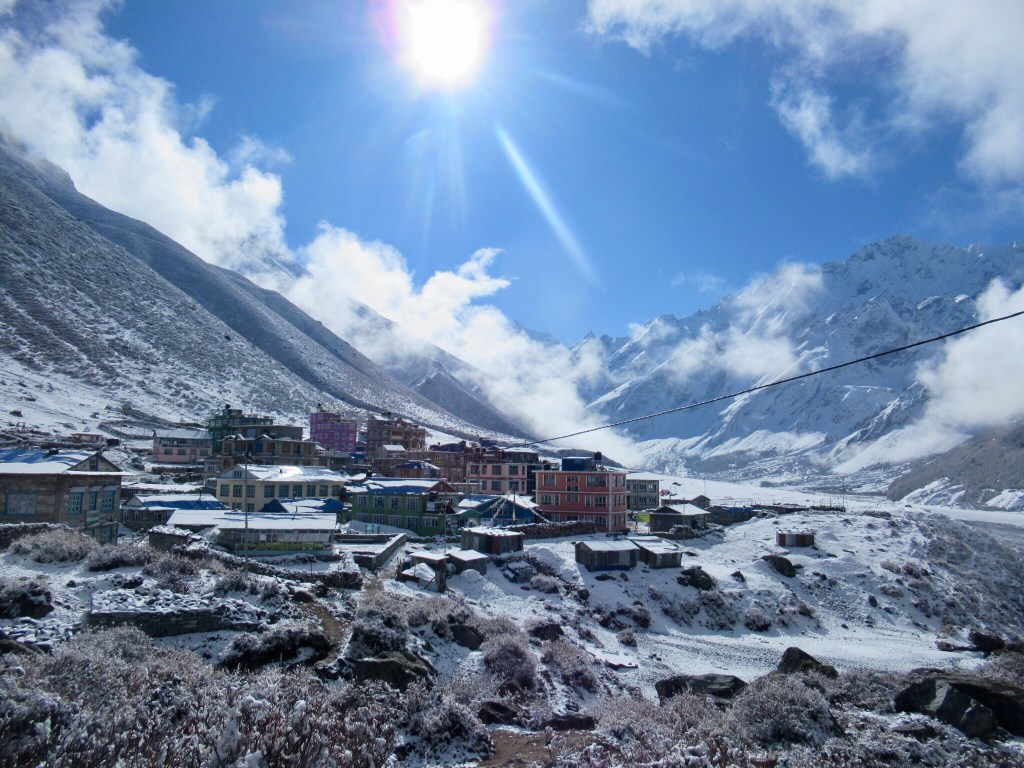
The new Langtang village sits around 1km further into the valley where we had more Dal Bhat – another private dining experience – before climbing to 3900m. We stayed in a teahouse in the clouds, with stunning views of the Himalayas. We’d been switched off for a couple of days without WiFi; turning on our phones, the notorious pings started again. Update: Nepal’s only international airport had shut for a number of days, but our flight remained on schedule and the advice from the Foreign Office was not to immediately return to the UK if overseas. We took a little comfort in this. Although Nepal had, at this stage, only three recorded cases of COVID-19, they were clearly making decisions fast. After the summit, as we picked our way through the snowy valley, we were able to take in the views we had missed the day prior. Sangam’s mobile phone was a hotline when we picked up network reception. Through him and Gyan, we kept abreast on the latest information around the airport closure and tried to call the British Embassy for advice. There was no response. The gradual closure we were feeling was the antithesis to the openness and space we found ourselves in. With a plan, we tried not to over-think. Sangam and Purna ensured we were safe and had called ahead to the teahouses in the villages to make sure that they were still open. They seemed to be and without WiFi, we enjoyed what would be a final peaceful night of good Momos, tea, chats and books around the fire.
We felt positive the following morning with a plan for where we needed to be and how we were going to get there. En route, we met a number of other travellers and guides who gave us mixed messages about what life was like outside of the valley. Sangam, as ever, took the lead. We stopped at a remote tea house for lunch, and in less time that it took to make a Dal Bhat, we learnt that Nepal had instigated an unexpected, no-notice lockdown. All hotels were being shut, all cars were being taken off the road and there was to be no inter-district travel by any means. The Foreign Office had advised all British Nationals to return home immediately. For the first time, Sangam’s face indicated that our plans to walk back to Kathmandu were scuppered and that any onward moves were uncertain. We all agreed to make our way back to where we started, Syabrubesi and attempt to make our way back to Kathmandu.
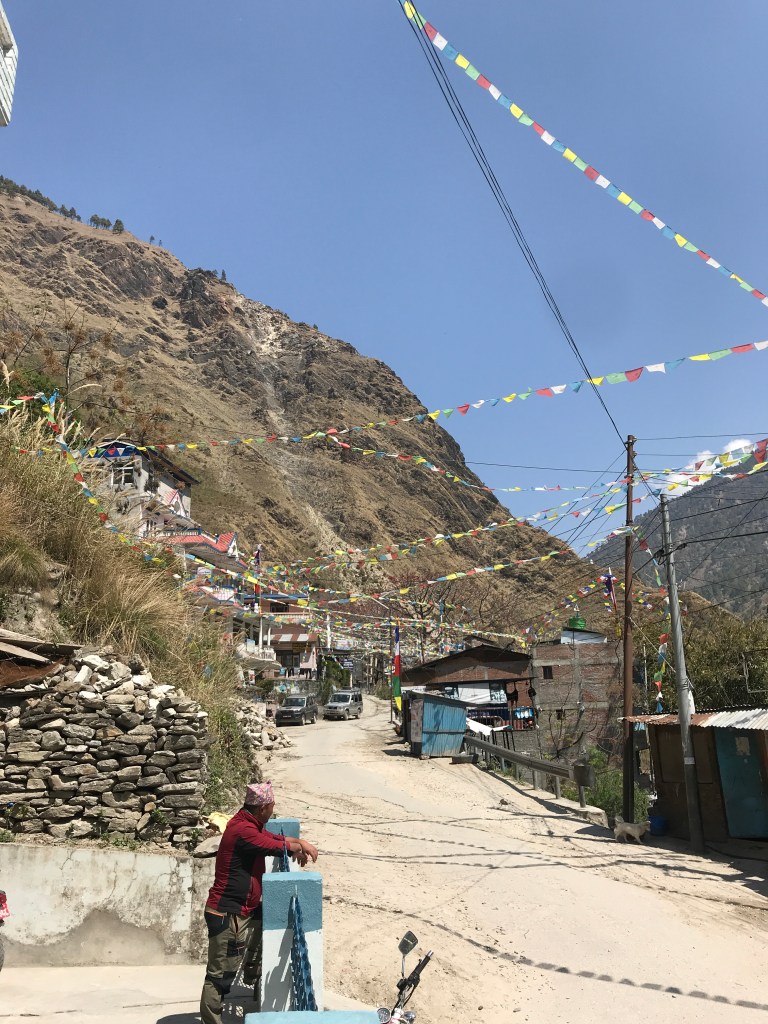
As we walked into Syabrubesi, army trucks scanned the streets, police were patrolling and notices written in Nepali had been posted on all shops in the town. We were incredibly lucky that Hotel Sky in Syabrubesi took us in, offering us space to sleep and eat incredible Dal Bhat. As we fell to sleep that night, the COVID-19 effect had caught up with us and we knew our trip, as we had planned, would be over. We were a little deflated, but we gripped to the positives; we were safe, as were our family and friends and for as long as possible we had taken in incredible sights with wonderful people. We made ourselves a ‘Lockdown list’ of tasks and joined various Twitter and WhatsApp groups of other stranded travellers. Sangam, Gyan and Purna immediately set to work to try and get us back to Kathmandu, navigating the rapidly changing rules, misinformation and rumour. Tom made a call to the British Embassy, with no response. Kelsey made a call to the American Embassy and managed to talk to a human within seconds, who provided helpful advice of what we should do.
The following morning, we set up a Crisis Management HQ on the dining tables of our hotel, each with people to call and leads to follow. In a situation like this, the genius of Sangam became even clearer. Despite a strict, army controlled lockdown and after an afternoon of discussions, somehow Sangam had managed to negotiate the correct stamped paperwork to take us to Kathmandu. From our WhatsApp conversations, we were the first tourists in Nepal to receive this permission. We hastily packed our bags in anticipation, ordering another Dal Bhat to prepare us for a long ride in a jeep. As Sangam returned, we could tell something was not quite right. Stamped paperwork in hand and after hours of negotiation, he told us that the driver had bolted out of the police station at the last moment, worried about the potential of being quarantined when he arrived in Kathmandu. In the escalating situation with new rules being implemented every hour, this was a fair worry, albeit disappointing for us. Still, thanks to Gyan, Sangam and Purna we had made excellent progress. Now, we needed to find a willing driver.
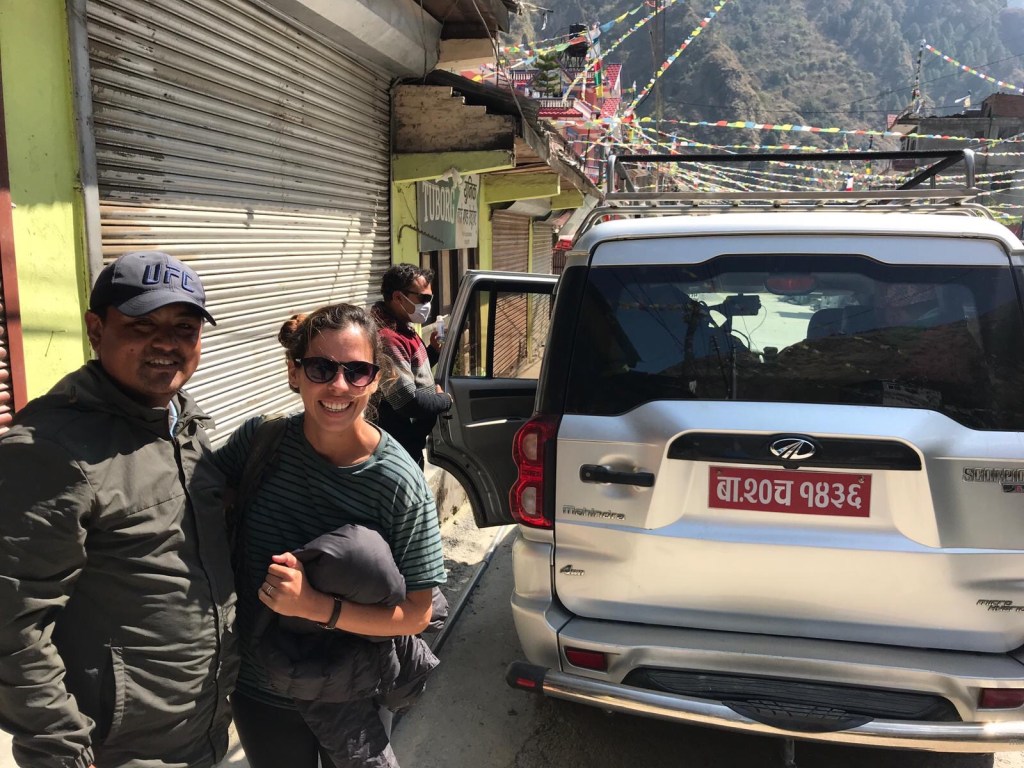
We needn’t have worried. By the following morning, Gyan had a new driver lined up. Sangam had already left to update our paperwork with the local police secretary after coaxing him off a float parading through town where he was giving COVID-19 instructions through a megaphone. As Sangam returned with a wry smile on his face, we knew everything was ready. Soon after, our jeep arrived and we said our goodbyes to the incredible team at Hotel Sky who had been so welcoming to us. Driving back to Kathmandu, we passed twenty-one checkpoints (we counted) to verify our travel authorisations. Our temperature was taken five times, although the ‘normal’ range for a Nepali temperature remained a mystery to us. The mildly hypothermic 91 degrees passed, as did 99 degrees. To add to the uniqueness of our journey, the driver played us some yoga instructional videos led by Shilpa Shetty and old episodes of Mr. Bean on the in-jeep mini-screen TV.
After barrelling down deserted roads, we arrived back in Hotel Manang – Kathmandu which would become our home for an unspecified amount of time. This would be where we would say our final goodbyes to Sangam and Purna, as they left us to lockdown with their own families. Both had become our closest friends and allies on our trek and ensured we were always safe and happy. There was no last night party this time but we did bend the social distancing guidelines a little to give them hugs as we departed – we had been in the same household after all!
The Kathmandu lockdown was heavily police patrolled; visits out of the hotel were only allowed for food or medicine. Police had procured a Corona Safe Stick from China; we termed it, ‘The People Catcher’. This was like a mechanical claw which gripped and grabbed people around the waist, moving them to a safe distance. We restricted our movements and successfully avoided any interaction with the Corona Safe Stick.
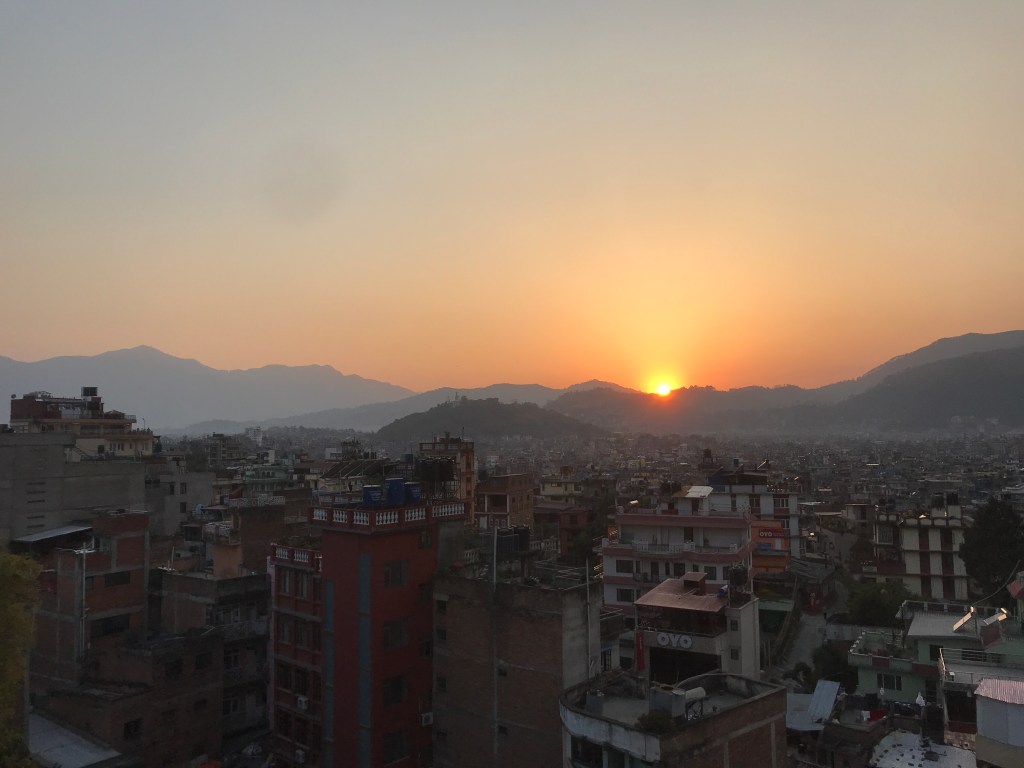
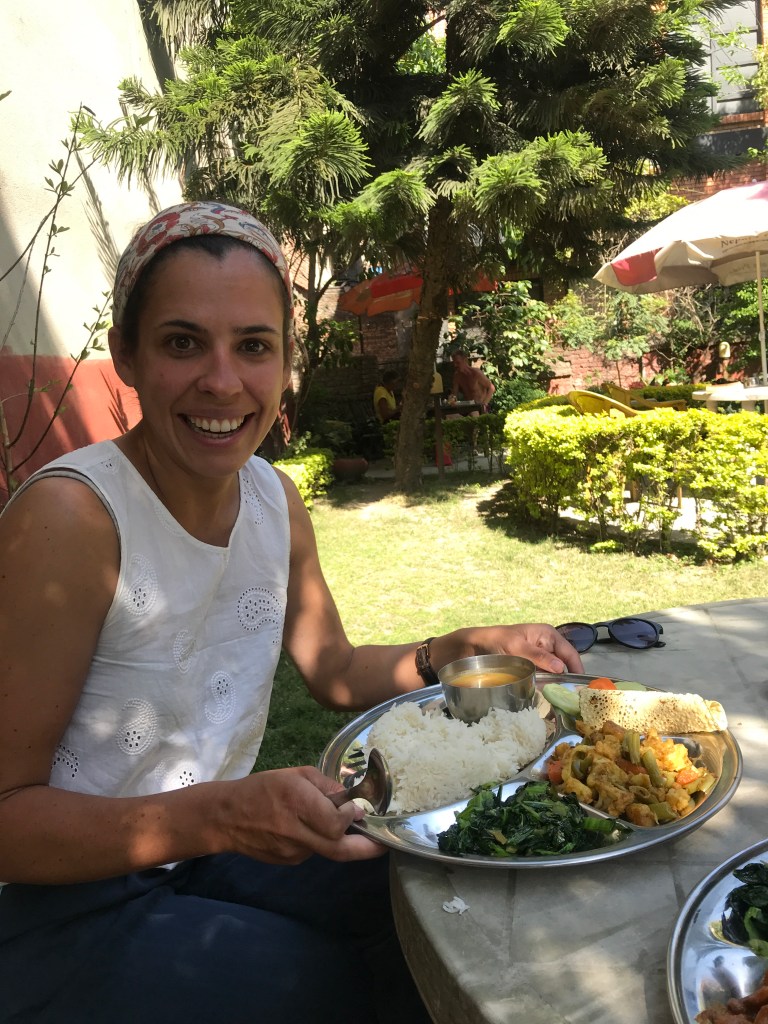
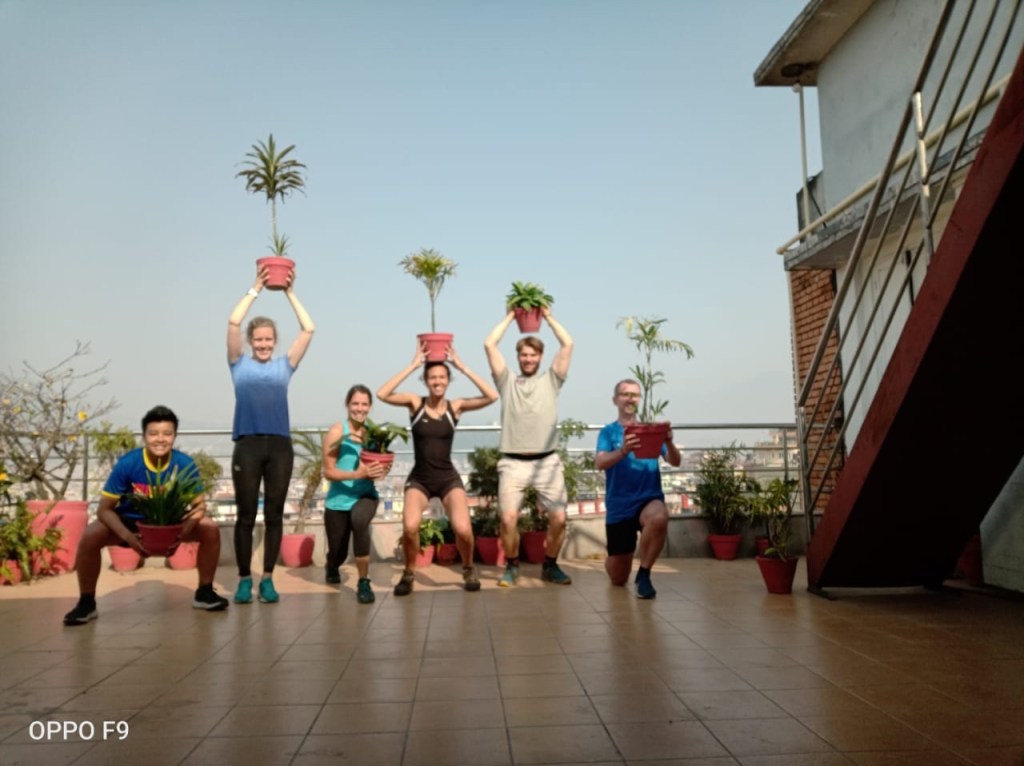
Slowly but surely, as we spent our days in Hotel Manang, a steady stream of tourists began to trail into Kathmandu from across Nepal. We passed our time by taking short trips out for essentials, catching up with friends and family on technology platforms new to us and found a sunny garden for lunch with the best Dal Bhat of our trip. We even started our own Garden Workout group, an 8am gym session using plantpots from our hotel rooftop as makeshift gym equipment. We started as a group of three, but by the end of the week, even Ramesh, the hotel manager had committed to join. We took this as the ultimate seal of approval.
As the days went by, our French, German and American friends started to depart on charter flights organised by their incredibly efficient Embassies. Guest numbers in Hotel Manang started to dwindle, with only British residents and a smattering of others remaining. We made numerous visits and telephone calls to the British Embassy, each time being told that it was closed before an Embassy official who had drawn the short straw that particular morning would skulk slowly to the front desk and give a look of, ‘What are you here for?’. On one occasion, as a parting goodbye we were told ‘Good Luck’ by an Embassy official, which we couldn’t quite fathom as our luck was firmly in their hands. Eventually, the British Embassy set up a Facebook Live hour with the Ambassador. We all thought, surely there must be news. Why would the Ambassador set something like this up if there had been no progress? In anticipation, we bought doughnuts and cinnamon swirls from the local bakery and hooked up our Bluetooth speaker. Our anticipation turned to frustration quickly, as there was no real news, no dates and no real plan. The Facebook Live hour descended into comments such as ‘BRING IN THE GERMANS TO TAKE US HOME’ which didn’t make it particularly productive.
In days prior, we had been following up the possibility of travelling home with the French Embassy. Without a French bone in our body and questionable status in the EU, we weren’t sure whether this was possible. The most efficient French Embassy official, Mr. Arnuald Champy came to our rescue. Somehow, he managed to book us seats on the third French rescue flight. Without any plan from the British Embassy, we decided this was our best route home to Europe. With Mr. Champy’s help, our Garden Workout friends Laura and Artie also managed to book two seats. Unsurprisingly, we toasted Mr. Champy with Nepali beer the night before we left with cheers of ‘Vive la France!’
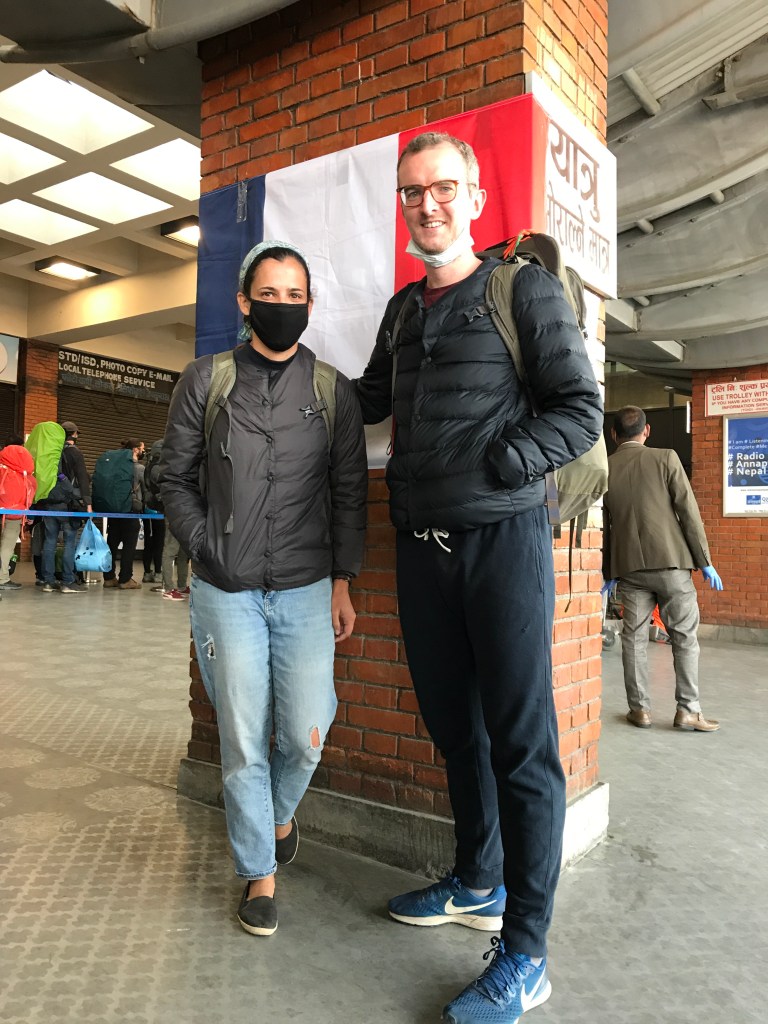
Our route home to London, with a stop over in a ridiculous hard-to-find airport hotel in Paris, was relatively uneventful. We couldn’t quite believe that six months of travel had come to an end. We were entering into a very different world that we left. We felt lucky to be returning with happy memories of the people we met and places we visited; so much so that by the time we landed in London Heathrow we were already dreaming of returning to Nepal. 🇳🇵

 The wondering wanderers